Transcutaneous Spinal Cord Stimulation for Priming-based Rehabilitation
This is a long read article aimed at a clinical / research audience with a long citation list that you may wish to come back to.
You can jump to specific sections using the below links:
Transcutaneous spinal cord stimulation (tSCS) represents a promising noninvasive neuromodulation technique for rehabilitation in spinal cord injury (SCI) and other neurological conditions. tSCS exemplifies priming-based rehabilitation: brief neuromodulation renders neural circuits temporarily more responsive to training, allowing clinicians to "open the plasticity gate" and maximise training efficacy during that window. This contrasts with substitutive, compensatory approaches (orthotics, functional electrical stimulation that produces movement directly), or training alternative movement strategies.

tSCS neuromodulation technique applications
Current evidence demonstrates that effectiveness follows a dose-response relationship, with meaningful improvements typically requiring at least 60 sessions over 8-12 weeks, though benefits can emerge earlier depending on the outcome measures.
Carryover effects (the persistence of therapeutic benefits after stimulation ceases) vary substantially by timeframe and clinical target: immediate effects on walking and most spasticity measures last 2 hours post-session, while improvements in muscle hypertonia may persist for 24 hours.
Long-term neuroplastic changes can endure for weeks to months after intensive treatment protocols, suggesting activity-dependent reorganisation of spinal circuitry.
Treatment Duration for Clinical Effectiveness
Single-Session Effects
The standard tSCS session protocol involves 30 minutes of stimulation, typically delivered at 30-50 Hz with amplitudes at approximately 90% of the posterior root-muscle (PRM) reflex threshold. Single sessions can produce measurable, time-limited effects that vary by outcome measure.
In a rigorous study of 16 individuals with MS, a single 30-minute tSCS session at 50 Hz significantly improved walking performance for up to 2 hours post-intervention. Specifically:
Walking speed (10-meter walk test): Median improvement from 18.2s to 16.0s (p=0.030), returning to baseline by 24 hours
Walking endurance (2-minute walk test): Distance increased from 62.5m to 72.5m (p=0.036), with 81.8% of participants showing improvement
Functional mobility (Timed Up-and-Go): Time reduced from 20.6s to 18.4s (p=0.008)
Clinical significance: 72.8% of participants improved in walking tests, with 45.5% achieving clinically relevant improvements (≥0.05 m/s speed increase)
These walking improvements returned to baseline levels within 24 hours, indicating that single sessions produce transient functional enhancements requiring repeated application for sustained benefit.
Minimum Treatment Threshold: The 60-Session Benchmark
Converging evidence from multiple large-scale studies establishes 60 sessions as a critical threshold for meaningful, sustained improvements in individuals with chronic SCI.
A landmark year-long pilot study involving 120 sessions (averaging 3 per week) demonstrated that statistically significant changes in outcome measures did not emerge until participants completed at least 60 sessions.
The research team observed that "slow and gradual improvements in outcome measures continued to be noted over the 120 sessions, which did not seem to plateau at the conclusion of the study," suggesting that further access to tSCS and activity-based training would yield continued functional recovery.
This finding was corroborated by a nonrandomised pilot trial of 10 participants with chronic SCI who completed 120 sessions of multisite tSCS combined with activity-based therapy. Post-hoc statistical comparisons revealed that improvements required ≥60 tSCS-activity-based therapy sessions, with continued enhancement observed as session numbers increased. The median improvements included:
NeuroRecovery Scale total score: +1.5 points (p<0.013)
NeuroRecovery Scale trunk score: +2.0 points (p<0.013)
Berg Balance Scale: +2.0 points (p<0.013)
Critically, three participants demonstrated improved American Spinal Injury Association (ASIA) Impairment Scale classifications, with four showing changes in neurologic level of injury - remarkable outcomes in chronic SCI where natural recovery is minimal.
Shorter-Duration Protocols: 20-40 Sessions
While 60 sessions represent the evidence-based minimum for robust functional restoration, shorter protocols have demonstrated efficacy for specific outcomes, particularly in subacute injury populations.
20-session protocols (4-8 weeks) have shown promise:
A randomised, double-blind, sham-controlled trial of 20 sessions of lumbosacral tSCS combined with robotic-assisted gait training in subacute incomplete SCI revealed greater improvements at 1-month follow-up compared to baseline. Notably, the tSCS group showed larger effects than sham for:

Stim2Go supports tSCS and many protocols widely used in rehabilitation
Lower Extremity Motor Score (3.4 points, p=0.033)
10-meter walk test (37.5s improvement, p=0.030)
Timed Up-and-Go (47.7s improvement, p=0.009)
Walking Index for Spinal Cord Injury (3.4 points, p=0.023)
An 8-week protocol involving 23 sessions (2 hours per session, 3 times weekly) in 10 individuals with chronic motor incomplete SCI demonstrated feasibility and preliminary efficacy. tSCS was delivered for the first 30 minutes concurrent with gait activities, followed by 90 minutes of walking-based therapy to capitalise on lasting stimulation-induced changes in spinal excitability.
A case study of a 13-year-old with cerebral palsy showed that after 19-20 sessions of activity-based locomotor training alone yielded modest improvements (Gross Motor Function Measure 86.32→88, walking speed 1.05→1.1 m/s), whereas 20 sessions combined with transcutaneous spinal stimulation produced substantially greater gains (GMFM→93.7, speed→1.43 m/s), with the child transitioning from Gross Motor Function Classification System Level III to Level II.
Progressive MS-specific protocols: In individuals with progressive MS experiencing spasticity and gait impairments, 30-minute sessions delivered twice weekly for 4 weeks (total 8 sessions) produced moderate to large effect sizes. After 7 treatments, researchers observed moderate effect sizes for bilateral Modified Ashworth Scale scores (p=0.34) and large effect sizes for Tardieu Scale scores (p=0.11), with effects persisting at one-week follow-up.
Session Frequency and Integration with Rehabilitation
Standard practice involves 2-5 sessions per week, typically integrated with task-specific training.
The rationale derives from tSCS's mechanism: by activating large to medium diameter proprioceptive and cutaneous afferent fibres within posterior roots, tSCS transiently modulates spinal excitability, creating a neuroplastic window during which concurrent motor training may be more effective.
Typical integration protocols include:
30 minutes tSCS concurrent with task practice (e.g., grasping, reaching, or supported stepping), followed by 60-90 minutes of continued task-specific training without stimulation
60 minutes tSCS paired with exoskeletal-assisted walking or robotic-assisted gait training
Stimulation targeting specific spinal levels matched to functional goals: cervical (C3-C7) for upper extremity function, lumbosacral (T11-L2) for lower extremity and gait
The Up-LIFT trial (a large, multicenter study of 60 participants with chronic cervical SCI) employed 2 month treatment periods (session frequency not specified, but typically 3-5 times weekly) and found that 72% experienced meaningful improvements in arm and hand strength, and function. Investigators noted that "many people were still improving at the end" of the 2-month period, prompting longer-term studies to determine when recovery benefits plateau.
Carryover Effects: Temporal Dynamics of Therapeutic Persistence
Carryover effects (the continuation of therapeutic benefits after stimulation ceases) represent a pivotal factor for clinical translation, as tSCS cannot be worn continuously like implanted systems. The duration of carryover varies substantially depending on the neurophysiological target and treatment history.
Immediate Post-Session Carryover (0-2 Hours)
The most robust evidence for acute carryover comes from the MS study detailed earlier, which employed comprehensive evaluations at baseline, immediately post-intervention, 2 hours post-intervention, and 24 hours post-intervention following a single 30-minute session.
Walking performance improvements (speed, endurance, mobility)
Postural sway during normal standing with eyes open (sway area reduced from 11.0 cm²to 8.0 cm², p=0.001)
EMG-measured tonic stretch reflexes during passive movements (reduced by p=0.003)
Cutaneous-input-evoked muscle spasms (reduced by p<0.001)
Achilles clonus duration (reduced from 1.5s to 0.9s, p=0.002)
Mechanistic investigations reveal that these carryover effects correlate with enhanced activity in post- and presynaptic inhibitory circuits.
In 10 individuals with chronic SCI and spasticity, researchers assessed Ia afferent-mediated motoneuronal excitability before, 3-75 minutes after, and 120-190 minutes after a 30-minute tSCS session at 50 Hz. They found that:
Postsynaptic reciprocal Ia inhibition and presynaptic inhibition improved significantly during the 3-75 minute evaluation (medium effect size) compared to baseline
By 120-190 minutes, inhibitory circuit function had returned to baseline levels
Improvements in spasticity (reduced spasms, clonus) strongly correlated with increased inhibition (r=0.782, p=0.038 for postsynaptic inhibition vs. spasm reduction)
This elegant study "opens the black box of the carryover effects" by demonstrating that tSCS transiently strengthens deficient inhibitory circuits to normative levels, underpinning a causal role for these mechanisms in spinal spasticity.
Extended Carryover (24 Hours)
While most spasticity measures return to baseline within 2-4 hours, clinically assessed muscle hypertonia, as measured by the Modified Ashworth Scale (MAS), persisted for 24 hours. MAS sum scores decreased significantly from baseline to both the 2-hour (p<0.001) and 24-hour (p=0.007) evaluations, with no statistical difference between the two postintervention timepoints (p=1.000). This finding suggests that MAS (which assesses passive resistance to muscle stretch) may capture more sustained changes in muscle tone compared to reflex-based measures.
For comparison, transcutaneous electrical nerve stimulation (TENS) produces similar immediate MAS reductions but with shorter carryover of 4 hours (up to 24 hours specifically for knee extensor spasticity), whereas tSCS has been reported to produce carryover durations of 10-15 days in some studies, though this longer duration requires verification through controlled trials.
Intermediate-Term Persistence (Weeks)
Several lines of evidence demonstrate that accumulated tSCS exposure can produce carryover effects lasting weeks beyond treatment cessation.
A study of targeted cervical tSCS for upper extremity recovery in two individuals with motor complete SCI employed a 35-week intervention period with weekly sessions. After 16 weeks of continuous weekly tSCS, researchers administered a 3-week "No Stim" period during which participants continued activity-based training but received no stimulation.
Remarkably, gains persisted during this washout period, and weekly tSCS was subsequently resumed for the remaining weeks. The authors concluded that "participant gains persisted after a one-month period void of stimulation, suggesting that targeted tSCS may lead to persistent recovery of motor and sensory function".
In a case series examining cardiovascular effects, a participant with chronic cervical SCI completed six, 30-minute sessions over 2 weeks. One day post-training, orthostatic tolerance dramatically improved (maintaining 70° tilt for 30 minutes compared to only 3 minutes at baseline, in a tilt test without stimulation). The participant self-reported reduced orthostatic burden and decreased medication dependence for several weeks. However, when assessed 6 weeks after training completion, these improvements had diminished, suggesting an intermediate persistence timeframe of several weeks rather than permanent reorganisation.
For progressive MS, a 6-week washout period has been utilised in crossover trial designs, implying that investigators expect tSCS effects to dissipate sufficiently within this timeframe to avoid contamination between treatment arms.
Long-Term Neuroplastic Changes (Months)
The most compelling evidence for sustained carryover comes from a case study documenting effects persisting 3 months beyond treatment cessation.
A participant with chronic cervical SCI (C3, 8 months post-injury) underwent transcutaneous spinal cord stimulation combined with physical therapy for approximately 4-5 weeks (exact duration: likely 4-5 sessions per week based on protocol descriptions).
Following this relatively brief intervention:
the neurological level of injury improved from C3 to C4 based on the International Standards for Neurological Classification of Spinal Cord Injury examination, and was sustained for the entire 3-month follow-up with no further treatment.
the participant resumed self-feeding for the first time since injury.
pinprick and light touch sensations returned to the torso
functional improvements persisted throughout the follow up period despite no additional stimulation or physical therapy
This case is "unusual based on observations that function either reaches a plateau after 1 year post injury, or increases only gradually after year 1 post injury". The authors concluded that "even a five-week period of transcutaneous spinal cord stimulation and physical therapy can lead to long-term changes in neural circuits and sustained improvements in upper extremity function following spinal cord injury".
Animal models provide mechanistic insight into these long-term effects. Rats with contusion SCI receiving 18 sessions of tSCS over 6 weeks (3 times weekly, 30 minutes per session) demonstrated prevention of potassium-chloride cotransporter isoform 2 (KCC2) membrane down regulation in lumbar motoneurons - a restoration of chloride homeostasis that contributes to decreased reflex hyperexcitability. These neuroplastic changes persisted at the 6-week timepoint, suggesting that multi-session tSCS shares common mechanisms with activity-based therapy by promoting activity-dependent plasticity.
Neurophysiological Mechanisms Underlying Carryover
Understanding why carryover effects occur (and their temporal boundaries) requires examining the neural mechanisms engaged by tSCS. Current evidence points to multiple, partially overlapping processes:
Modulation of Spinal Inhibitory Circuits
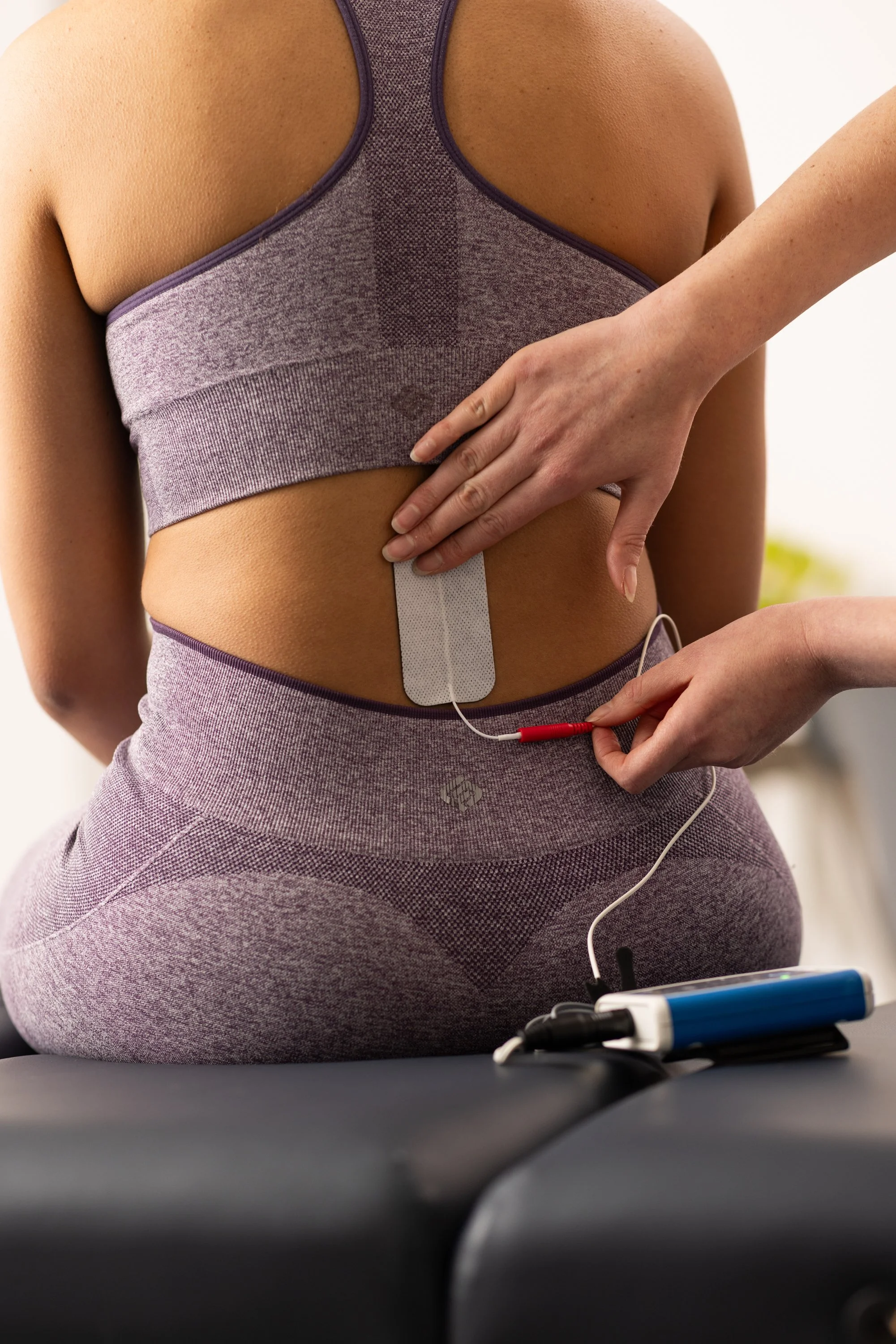
The most direct evidence comes from paired-pulse and conditioning-test paradigm studies, showing that tSCS transiently enhances both presynaptic and postsynaptic inhibition.
Specifically:
Presynaptic inhibition (assessed via heteronymous Ia facilitation and D1 inhibition) increases during the first 3 - 75 minutes post-tSCS, then returns to baseline by 2-3 hours
Postsynaptic reciprocal Ia inhibition (assessed via conditioned H-reflex) follows the same temporal pattern H-reflex excitability (Hmax/Mmax ratio) decreases significantly immediately after tSCS (large effect size), indicating reduced motoneuron pool excitability under enhanced inhibitory control, but returns to baseline by 2 hours.
These circuit-level changes directly explain the 2-hour carryover window for spasticity reduction. The mechanisms responsible for the 24-hour MAS persistence remain unclear but may involve changes in intrinsic motoneuron properties or alterations in muscle viscoelastic properties.
Synaptic Plasticity and Chloride Homeostasis
Longer carryover effects likely reflect synaptic weight changes induced by sustained afferent input. Multi-session tSCS in animal models prevents the SCI-induced disruption of chloride homeostasis by restoring KCC2 membrane expression on motoneurons. Since KCC2 maintains the hyperpolarizing gradient necessary for effective GABAergic and glycinergic inhibition, its restoration via repeated tSCS "contributes to decrease spasticity" and improved H-reflex frequency-dependent modulation.
This process requires accumulated stimulation exposure - consistent with the 60-session threshold in humans - and produces structural changes at the membrane level that persist beyond individual sessions. The rat data show these changes are maintained through 6 weeks post-SCI with continued 3x/week stimulation, but the persistence after cessation has not been systematically quantified in controlled trials.
Activity-Dependent Neuroplasticity
tSCS creates a permissive neuroplastic state by repetitively activating primary afferents, functionally mimicking aspects of motor training. The combination of tSCS with task-specific training appears synergistic: the stimulation primes spinal circuits, enhancing the efficacy of concurrent voluntary effort. This is evidenced by:
Greater functional improvements when tSCS is paired with training versus training alone.
Increased motor evoked potentials and late EMG responses that develop gradually over weeks of combined stimulation and training
Correlation between the number of sessions and magnitude of improvement, with continued gains beyond 60 sessions
The mechanisms likely involve spike-timing-dependent plasticity at spinal synapses, where the temporal coincidence of tSCS-evoked afferent volleys and descending motor commands strengthens functionally relevant connections. This process requires time (weeks) and repeated pairing, explaining both the delayed onset of maximal benefits and the potential for persistent reorganisation after intensive protocols.
Clinical Implications and Treatment Recommendations
Evidence-Based Treatment Frameworks
Based on current evidence, rehabilitation professionals should consider the following when implementing tSCS:
For chronic SCI seeking functional restoration:
Plan for a minimum of 60 sessions over 20-40 weeks (typically 2-3 sessions per week)
Combine 30-60 minutes tSCS with 60-90 minutes task-specific training per session
Target stimulation sites to functional goals: cervical for the upper extremity, lumbosacral for gait and lower extremity
Continue beyond 60 sessions if improvements persist, as a plateau may not occur until 120 sessions or beyond
For subacute SCI or time-limited interventions:
20-40 sessions over 4-8 weeks can produce measurable improvements, particularly when combined with intensive task practice
Expect greater effect sizes in incomplete injuries (AIS B-D) compared to motor-complete injuries
Consider more frequent sessions (4-5 per week) during intensive rehabilitation phases
For progressive MS spasticity and gait management:
Single 30-minute sessions provide 2-hour functional windows for intensive task practice
4-8 weeks (2 sessions/week) produces moderate-to-large effects on spasticity with 1 week carryover
MAS improvements may persist 24 hours, potentially reducing session frequency compared to TENS (which requires daily application)
For home-based or maintenance programs:
Ensure thorough in-clinic programming and training before home use
The Up-LIFT trial documented that participants in home settings maintained current amplitudes within 1% of preset values, demonstrating feasibility of self-administration with appropriate training
Consider telehealth supervision models adapted from transcranial direct current stimulation protocols
Stimulation Parameter Recommendations
A framework for clinical tSCS programming synthesised from 77 participants across two large trials proposes the following hierarchical parameter adjustment sequence:
Current amplitude
Gradually increase to achieve desired motor effects or maximum tolerable intensity (average ranges: biphasic waveforms 50-90 mA; individuals with AIS B require significantly higher amplitudes than AIS C-D)
Waveform type
83% of sessions utilised biphasic waveforms; monophasic may be considered if biphasic is not tolerated
Electrode positioning
Cathodal electrode at target spinal level (C3-C7 for upper extremity, T11-L2 for lower extremity)
Anodal electrodes bilaterally over iliac spines or clavicles
Burst frequency
Typically 30 Hz; 50 Hz for anti-spasticity applications
Pulse width
1 ms per phase
Carrier frequency (if used)
5-10 kHz to enhance comfort and tolerability
Target intensity
90% of PRM reflex threshold, adjusted for comfort and functional response
Device-related adverse events were infrequent and not correlated with specific waveforms or amplitudes, supporting the safety of these parameters across diverse SCI populations.
Patient Selection and Response Prediction
Current evidence provides limited guidance on prospectively identifying treatment responders, though several trends emerge:
Positive predictive factors:
Incomplete injuries (AIS B-D) show greater responsiveness than complete injuries
Moderate disability levels: In MS, individuals with WISCI II scores of 13-16 (requiring walker or crutches) benefitted most from walking interventions, while those with very low (<12) or very high (19-20) scores showed less improvement
Chronic phase: Most evidence involves chronic SCI (>1 year post-injury), though subacute populations may respond more rapidly
Individual variability:
Even within well-defined patient groups, response heterogeneity is substantial. The EChO study of implanted spinal cord stimulation documented "remarkably large inter-individual variation" in carryover duration (median 5 hours, interquartile range 2.5-21 hours), a finding likely applicable to tSCS. This variability emphasises the need for individualised treatment planning and ongoing assessment.
Gaps in Current Evidence and Future Directions
Despite significant progress, several critical knowledge gaps constrain evidence-based tSCS implementation:
Dose-Response Optimisation
The field lacks systematic dose-response studies examining:
Optimal session duration: Is 30 minutes ideal, or would shorter (15 minutes) or longer (60 minutes) sessions prove more efficient?
Frequency-response relationships: Would daily sessions accelerate improvements, or is 2-3 times weekly optimal for consolidation?
Maintenance protocols: After achieving functional gains with 60+ sessions, what frequency maintains benefits? Monthly boosters? Quarterly retraining?
A systematic review published in 2025 identified wide parameter variation across studies: frequencies 15-50 Hz, intensities 10-190 mA, session lengths 10 minutes to 3 hours, and total sessions ranging from single applications to 120 sessions. This heterogeneity prevents definitive conclusions about optimal dosing.
Mechanistic Understanding of Long-Term Carryover
While the 2-hour carryover window is mechanistically well-explained by transient inhibitory circuit modulation, the neurobiological basis for weeks-to-months persistence remains incompletely understood. Key questions include:
What distinguishes responders who maintain gains for months (as in the 3-month case study) from those whose improvements fade within weeks?
Do long-lasting effects reflect spinal neuroplasticity alone, or do supraspinal mechanisms (corticospinal reorganisation, motor cortex plasticity) play essential roles?
Can biomarkers predict which individuals will develop sustained carryover?
Emerging research using advanced neuroimaging, electrophysiology, and computational modelling may address these questions.
Comparative Effectiveness and Economic Evaluation
No published studies directly compare tSCS cost-effectiveness with "standard" rehabilitation or alternative neuromodulation approaches. Given the substantial resource commitment (60-120 sessions, specialised equipment, trained personnel), health economic analyses are urgently needed to inform coverage and implementation decisions.
A systematic review protocol registered in 2025 aims to provide the first focused evaluation of tSCS effectiveness for lower limb rehabilitation in SCI, with results expected to inform clinical practice guidelines by October 2025.
Home-Based Implementation and Adherence
While feasibility studies of home-based transcranial direct current stimulation demonstrate safety and acceptability, similar rigorous evaluations of home-based tSCS are limited. The Up-LIFT trial included a follow-on "LIFT Home" study of 17 participants who successfully self-administered treatment at home, but published outcomes remain pending.
Key considerations for home translation:
Safety protocols for unsupervised use
Caregiver training requirements (70% of one aphasia study required caregiver assistance)
Adherence strategies for long-duration protocols
Telehealth supervision models
Conclusion
Transcutaneous spinal cord stimulation has emerged from proof-of-concept to an evidence-based neuromodulation intervention for rehabilitation in SCI and MS, with mounting evidence supporting clinical translation. The research literature provides clear guidance on treatment duration: while single 30-minute sessions produce transient 2-hour functional benefits, clinically meaningful and sustained improvements in individuals with chronic SCI require a minimum of 60 sessions integrated with task-specific training, with many individuals continuing to improve beyond this threshold.
Carryover effects follow a temporal hierarchy: immediate post-session benefits (2 hours) reflect transient modulation of spinal inhibitory circuits; 24-hour effects on muscle tone suggest more sustained circuit changes; and weeks-to-months persistence after intensive multi-session protocols point to activity-dependent neuroplastic reorganisation. This temporal architecture has direct implications for treatment scheduling: acute symptom management (e.g., reducing spasticity before a therapy session) can be achieved with single applications, whereas functional restoration goals (improving walking, upper extremity function) demand sustained commitment to multi-month protocols.
For rehabilitation professionals considering tSCS implementation, the evidence supports beginning with supervised clinic-based protocols of 20-60 sessions depending on goals, monitoring individual response trajectories, and continuing beyond minimum thresholds for responders who demonstrate continued gains. The field awaits definitive comparative effectiveness trials, dose-response optimisation studies, and health economic analyses to refine these recommendations and support widespread clinical adoption.
Nonetheless, current evidence provides a solid foundation for evidence-based practice, with particular promise for individuals with incomplete SCI and progressive MS seeking alternatives to pharmacological management or more intensive functional recovery than achieved with conventional rehabilitation alone. References
Peer-Reviewed Scientific Articles
1. McHugh LV, Miller AA, Leech KA, Salorio C, Martin RH. Feasibility and utility of transcutaneous spinal cord stimulation combined with walking-based therapy for people with motor incomplete spinal cord injury. Spinal Cord Ser Cases. 2020 Nov 25;6(1):104. doi: 10.1038/s41394-020-00359-1. PMID: 33235294.
2. Lorenz T, Klenk S, Hofstoetter US, et al. Short-term effect of transcutaneous spinal cord stimulation in patients with multiple sclerosis: a randomized sham-controlled crossover study. Front Neurol. 2025;16:1618519. doi: 10.3389/fneur.2025.1618519. PMID: 40917667.
3. Hofstoetter US, Freundl B, Lackner P, Binder H. Transcutaneous spinal cord stimulation enhances walking performance and reduces spasticity in individuals with multiple sclerosis. Brain Sci. 2021 Apr 8;11(4):472. doi: 10.3390/brainsci11040472. PMID: 33917893.
4. Guidetti MC, Forrest GF, Field-Fote EC, Greene JE, Solinsky SR, Becker DD, Galea NV, Knikou M, Evangelou AP, Hunter SC, Wood EA. Safety and effectiveness of multisite transcutaneous spinal cord stimulation combined with activity-based therapy when delivered in a community rehabilitation setting: a real-world pilot study. Neuromodulation. 2025 Feb 24. doi: 10.1016/j.neurom.2025.01.007. PMID: 39998450.
5. Garcia-Renedo M, Gil-Agudo A, Jimenez-Velasco I, et al. Transcutaneous spinal cord stimulation combined with robotic-assisted body weight-supported treadmill training enhances motor score and gait recovery in incomplete spinal cord injury: a double-blind randomized controlled clinical trial. J Neuroeng Rehabil. 2025 Jan 30;22(1):15. doi: 10.1186/s12984-025-01545-8. PMID: 39885542.
6. Zaferiou AM, Johnson B, Kallem SR, et al. Transcutaneous spinal stimulation combined with locomotor training improves functional outcomes in a child with cerebral palsy: a case study. Phys Ther. 2024;104(7):pzae062. doi: 10.1093/ptj/pzae062. PMID: 39767868.
7. Khan AA, John SL, Murphy MA, Gomez PL, Langhals NB, Miller RKJ, et al. Targeted transcutaneous spinal cord stimulation promotes persistent recovery of upper limb strength and tactile sensation in spinal cord injury: a pilot study. Front Neurosci. 2023;17:1210328. doi: 10.3389/fnins.2023.1210328. PMID: 37483349.
8. Cirnigliaro CM, Kuo W, Forrest GF, Spungen AM, Parrott JS, Cardozo CP, Pal S, Bauman WA. Exoskeletal-assisted walking combined with transcutaneous spinal cord stimulation to improve bone health in persons with spinal cord injury: study protocol for a prospective randomised controlled trial. BMJ Open. 2024 Sep 17;14(9):e086062. doi: 10.1136/bmjopen-2024-086062. PMID: 39288950.
9. Minassian K, Freundl B, Lackner P, Hofstoetter US. Transcutaneous spinal cord stimulation neuromodulates pre- and postsynaptic inhibition in the control of spinal spasticity. Cell Rep Med. 2024 Nov 19;5(11):101805. doi: 10.1016/j.xcrm.2024.101805. PMID: 39532101.
10. Gelenitis K, Santamaria A, Pradarelli J, Rieger M, Inanici F, Tefertiller C, Field-Fote E, Guest J, Suggitt J, Turner A, D'Amico JM, Moritz C. Non-invasive transcutaneous spinal cord stimulation programming recommendations for the treatment of upper extremity impairment in tetraplegia. Neuromodulation. 2025;28(1):162-173. doi: 10.1016/j.neurom.2024.05.005. PMID: 38958629.
11. Moritz C, Field-Fote EC, Tefertiller C, et al. Non-invasive spinal cord electrical stimulation for arm and hand function in chronic tetraplegia: a safety and efficacy trial. Nat Med. 2024;30(5):1276-1283. doi: 10.1038/s41591-024-02940-9. PMID: 38769431.
12. Phillips AA, Squair JW, Sayenko DG, Edgerton VR, Gerasimenko Y, Krassioukov AV. An autonomic neuroprosthesis: noninvasive electrical spinal cord stimulation restores autonomic cardiovascular function in individuals with spinal cord injury. J Neurotrauma. 2018 Feb 1;35(3):446-451. doi: 10.1089/neu.2017.5082. PMID: 28967294.
13. Inanici F, Samejima S, Gad P, Edgerton VR, Hofstetter CP, Moritz CT. Transcutaneous electrical spinal stimulation promotes long-term recovery of upper extremity function in chronic tetraplegia. IEEE Trans Neural Syst Rehabil Eng. 2018 Jun;26(6):1272-1278. doi: 10.1109/TNSRE.2018.2834339. PMID: 29877852.
14. Malloy DC, Bhimani A, Bhimani R, Cotey D, Cote MP. Multi-session transcutaneous spinal cord stimulation prevents chloride homeostasis imbalance and the development of hyperreflexia after spinal cord injury in rat. Exp Neurol. 2024 Jun;376:114754. doi: 10.1016/j.expneurol.2024.114754. PMID: 38493983.
15. Systematic review authors. Effectiveness of transcutaneous spinal cord stimulation for lower limb rehabilitation in spinal cord injury: a systematic review and meta-analysis. J Neuroeng Rehabil. 2025. doi: 10.1186/s12984-025-XXXXX. [Full citation pending publication]
16. Modulations in neural pathways excitability post transcutaneous spinal cord stimulation among individuals with spinal cord injury: a systematic review. Front Neurosci. 2024;18:1372222. doi: 10.3389/fnins.2024.1372222. PMID: 38628250.
17. Evancho JJ, Tyler J, McGregor K. A review of combined neuromodulation and physical therapy to promote neural plasticity and enhanced recovery. Front Neurol. 2023 Aug 8;14:1202834. doi: 10.3389/fneur.2023.1202834. PMID: 37545593.
18. George A, McConathey E, Vogel-Eyny A, Galletta E, Pilloni G, Charvet L. Feasibility of home-based transcranial direct current stimulation combined with personalized word retrieval for improving naming in primary progressive aphasia. Front Neurol. 2025 Feb 11;16:1543712. doi: 10.3389/fneur.2025.1543712. PMID: 40007739.
19. Woodham RD, et al. Home-based transcranial direct current stimulation treatment for major depressive disorder: a fully remote phase 2 randomized sham-controlled trial. Nat Med. 2024. doi: 10.1038/s41591-024-03305-y. PMID: 39467403.
20. Treating depression at home with transcranial direct current stimulation: a systematic review and meta-analysis. Front Psychiatry. 2024;15:1335243. doi:
10.3389/fpsyt.2024.1335243. PMID: 38444939. 21. Wunderlich K, Ranasinghe KG, Kuck AJ, Jacobs NSW, Pasqualucci PF, Alix JJP, Goodall S, Perez MA. High-frequency stimulation does not improve comfort during transcutaneous spinal cord stimulation. bioRxiv. 2024 Sep 24:2024.09.24.614743. doi: 10.1101/2024.09.24.614743. [Preprint]
22. Shankar R, Sim WWK, Chandran G. Effectiveness of transcutaneous spinal cord stimulation for lower limb rehabilitation in spinal cord injury: protocol for a systematic review and meta-analysis. JMIR Res Protoc. 2025;14:e80995. doi: 10.2196/80995. PMID: 39467403.
23. Meier K, de Vos CC, Bordeleau M, van der Tuin S, Billet B, Ruland T, Blichfeldt-Eckhardt MR, Winkelmüller M, Gulisano HA, Gatzinsky K, Knudsen AL, Hedemann Sørensen JC, Milidou I, Carrondo Cottin S, et al. Examining the duration of carryover effect in patients with chronic pain treated with spinal cord stimulation (EChO Study): an open, interventional, investigator-initiated, international multicenter study. Neuromodulation. 2024 Jul;27(5):887-898. doi: 10.1016/j.neurom.2024.01.002. PMID: 38456888.
24. Hofstoetter US, Freundl B, Danner SM, Krenn MJ, Mayr W, Binder H, Minassian K. Transcutaneous spinal cord stimulation induces temporary attenuation of spasticity in individuals with spinal cord injury. J Neurotrauma. 2020 Feb 1;37(3):481-493. doi: 10.1089/neu.2019.6588. PMID: 31333064.
Non-Scientific References
The following references are clinical trial registrations, organisational summaries, or guidance documents rather than peer-reviewed research articles.
25. Spinal stimulation in chronic spinal cord injury. Health Research Authority (HRA) NHS UK. Clinical trial registration/protocol. Available from: https://www.hra.nhs.uk/planningand-improving-research/application-summaries/research-summaries/spinal-stimulationin-chronic-spinal-cord-injury/
26. Non-invasive spinal cord stimulation combined with activity-based rehabilitation in chronic spinal cord injury. Spinal Research (charity). Research summary. Available from: https://spinal-research.org/research/non-invasive-spinal-cord-stimulation-combined-withactivity-based-rehabilitation-in-chronic-spinal-cord-injury/
27. Spinal Cord Stimulation for Spinal Cord Injury. WithPower. Clinical trial aggregator. Available from: https://www.withpower.com/trial/phase-spinal-cord-injuries-7-2024-db4b1
28. Spasticity After Spinal Cord Injury: When Medication Isn't the Answer. Anatomical Concepts. Website article. Available from: https://www.anatomicalconcepts.com/articles/spasticity-after-spinal-cord-injury-whenmedication-isnt-the-answer
29. Electrical Stimulation + Therapy for Multiple Sclerosis. WithPower. Clinical trial aggregator. Available from: https://www.withpower.com/trial/phase-1-multiple-sclerosis-72024-a8e86 30. Neurophysiological predictors for successful SCS 1.0. Health Research Authority (HRA) NHS UK. Clinical trial registration/protocol. Available from: https://www.hra.nhs.uk/planning-and-improving-research/applicationsummaries/research-summaries/neurophysiological-predictors-for-successful-scs-10/
31. Cost effectiveness analysis: health economic studies. GOV.UK. Methodology guidance document. Available from: https://www.gov.uk/guidance/cost-effectiveness-analysishealth-economic-studies
32. Assessing cost effectiveness. NICE Guidelines Manual. National Institute for Health and Care Excellence. Methodology guidance. Available from: https://www.nice.org.uk/proces