
Articles
Filter by Topic
- Adaptive Sport 2
- Artificial Intelligence 1
- Bariatric 1
- Bike Labyrinth 3
- Bone density 1
- Brachial Plexus 2
- Bridging the Gap 1
- Bridging the Gap 1
- Carbonhand 4
- Cardiovascular 1
- Cauda Equina Syndrome 1
- Client Stories 4
- Cognition 1
- Company Updates 3
- Decision Making 2
- Dementia 1
- Denervation 30
- Diabetic Foot 12
- Dressings 1
- Efficiency 1
- Electrotherapy 34
- Epilepsy 1
- Exercise Benefits 34
- FES Cycling 24
- Fatigue 1
- Functional Electrical Stimulation (FES) 66
- Gait 2
- Goal Setting 5
- Grip 3
- Guidelines 2
- HRV 1
- Healthspan 2
- History 1
- Indego 13
- Lifestyle 10
- Lower Motor Neuron 2
- Mobility 17
- Motivation 2
- Multiple Sclerosis 1
- NMES 4
- Nerve injury 5
- NexStride 1
- Occupational Therapy 1
- Orthotic 15
- PRAFO 33
- Pain 7
- Parkinsons 2
- Pressure Ulcers 21
- Product Updates 7
- RISE Stimulator 14
Article Length
- 1 minute read 3
- 10 minute read 27
- 11 minute read 4
- 12 minute read 11
- 14 minute read 1
- 15 minute read 14
- 18 minute read 1
- 2 minute read 4
- 24 minute read 1
- 25 minute read 2
- 26 minute read 1
- 28 minute read 1
- 3 minutes read 9
- 4 minute read 33
- 5 Minute read 18
- 6 minute read 6
- 7 minute read 20
- 8 minute read 14
- 9 minute read 4
- FES 2
- FoG 1
- Long Read 1
- PRAFO 1
- Seven Minute Read 1
- awareness 1
- carbonhand 2
- cognitive 1
- cues 1
- freezing gait 1
- freezing of gait 1
- gait 1
- neurological 1
- neuroplasticity 1
- nexstride 2
- occupational therapy 1
- occupational therapy day 1
- orthopaedics 1
- orthotic 1
- parkinson's 1
- pressure 1
- pressure relief 1
- prevention 1
- rehabilitation 2
- stroke 1
- ulcers 1
- world stroke day 1
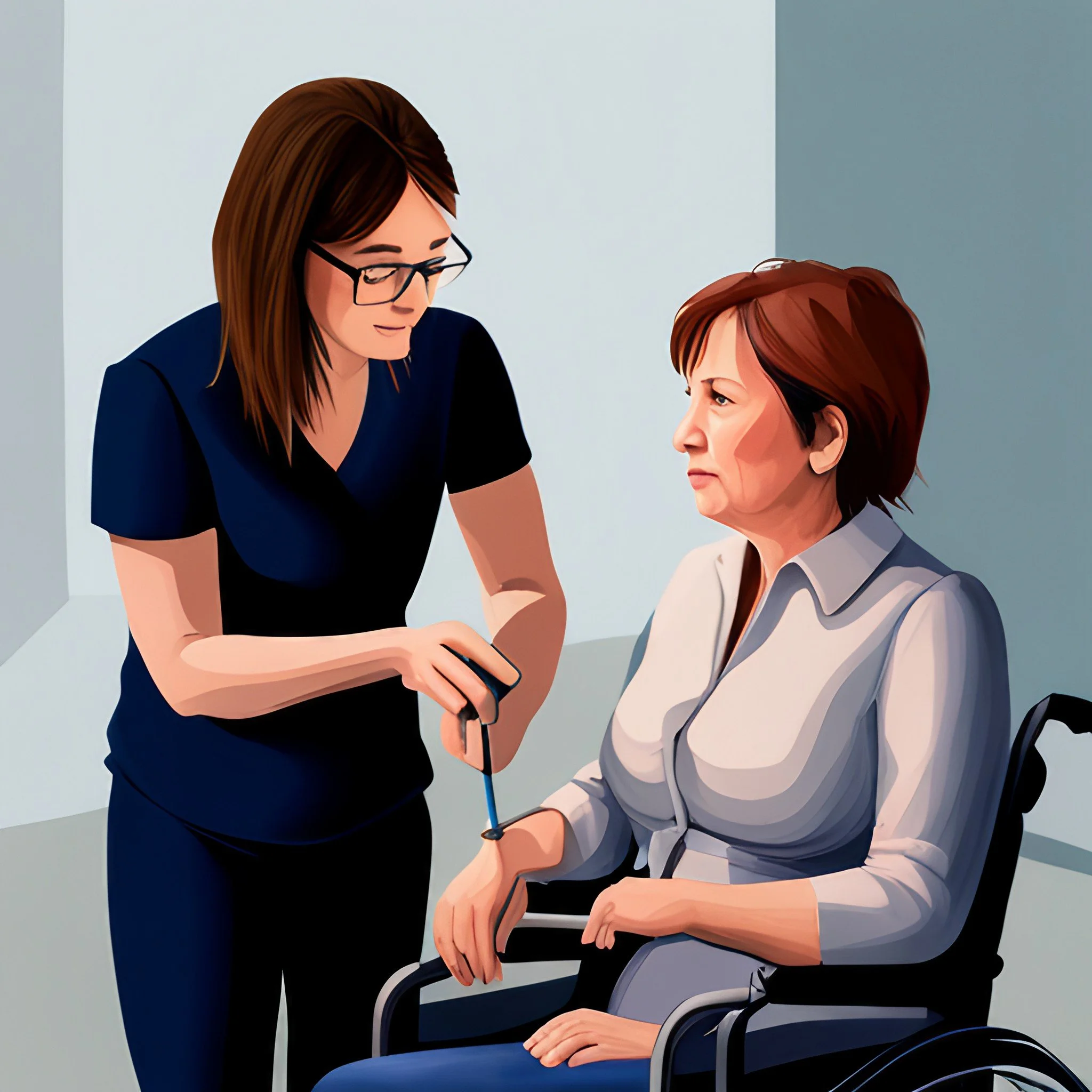
Numbness After a Nerve Injury: What Electrical Stimulation Can and Cannot Do
If you've lost sensation in a hand or foot due to nerve injury, you'll notice that most of the information available focuses on muscle. Muscle wasting, muscle strengthening, preventing atrophy, stimulating a weak limb. Page after page of content. Then you look for something about the numbness, the part that actually bothers you most, and there is very little content available.
I want to address that gap, because there is real evidence that electrical stimulation improves sensory recovery. There is also, as far as I am aware, no evidence that any device you can buy and use at home will bring feeling back to a numb hand. Those two statements sit together and seem to be opposing; the difference between them is worth understanding before anyone sells you anything.
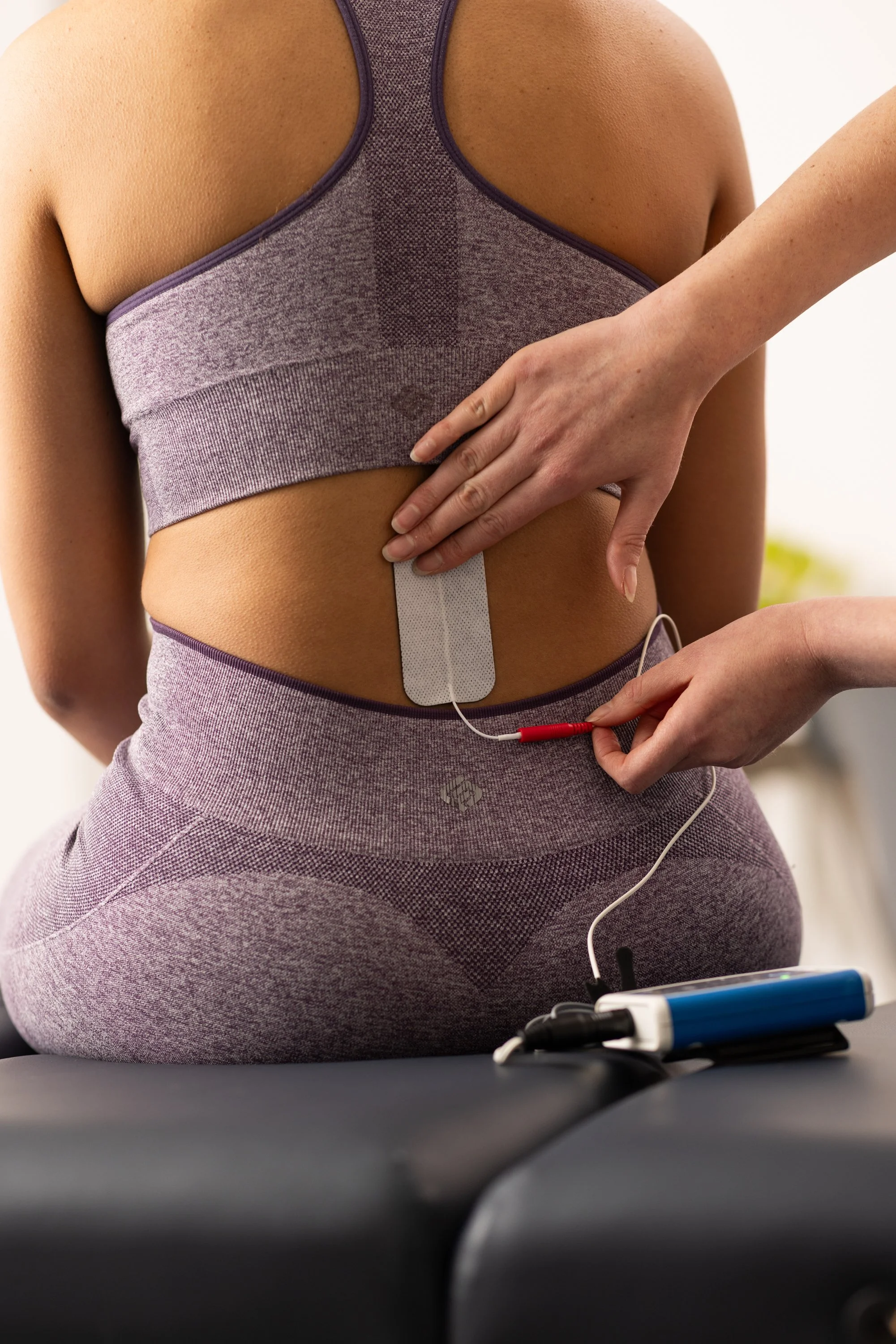
Transcutaneous Vagus Nerve Stimulation and Transcutaneous Spinal Cord Stimulation - Parallels for Rehabilitation Practice
Two non-invasive neuromodulation technologies — transcutaneous vagus nerve stimulation (tVNS) and transcutaneous spinal cord stimulation (tSCS) — are reshaping how we think about neurological rehabilitation.
Although they target different levels of the nervous system, these modalities share a surprising number of fundamental principles. Understanding these parallels gives clinicians, patients, and carers a clearer picture of how modern neuromodulation works, what to expect from treatment, and why these technologies represent a genuine shift from compensatory to restorative rehabilitation.
This article identifies ten fundamental parallels between tVNS and tSCS, drawing on the published scientific evidence to explore what they have in common, where they differ, and what this means for clinical practice.

Why structure beats willpower in neurological rehabilitation
If motivation were enough, rehabilitation adherence (sticking to the effort of training to recover) would not decline so predictably. But it does. Across conditions, across populations, the pattern is the same: strong engagement in the early weeks, followed by a steady fade. Not because people stop wanting to recover — but because motivation, by its nature, is temporary. It is a mood, not a method.
After decades of working in this field, I can tell you that the people who sustain their efforts over months and years are rarely the most motivated. They are the most structured. They have built something that works regardless of how they feel on any given morning — when they are tired, in pain, frustrated by slow progress, and wondering whether any of this is actually working.
To achieve significant functional gains and take advantage of neuroplasticity, it takes sustained, high-quality repetitions. Without structure, success will be elusive.
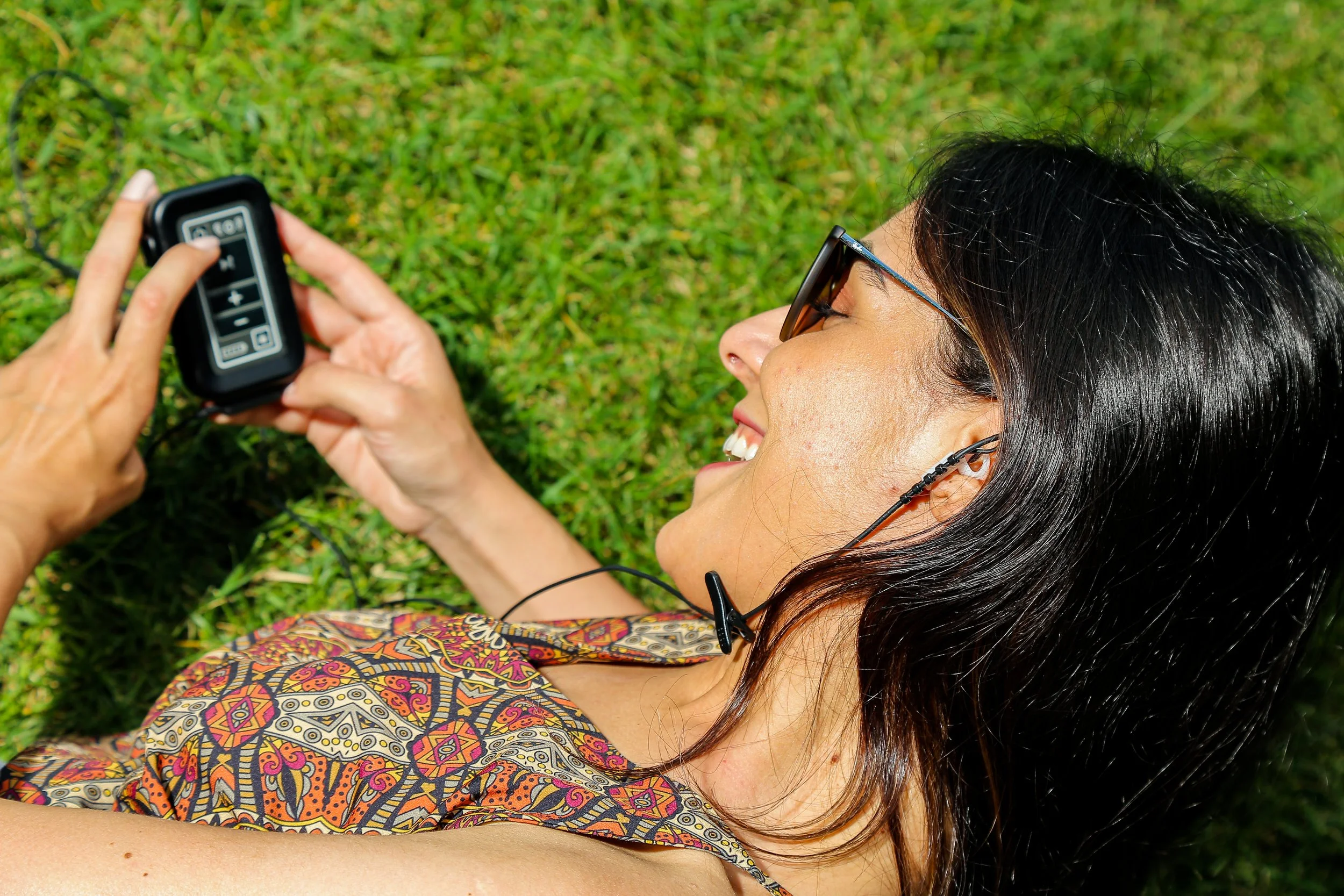
Transcutaneous Vagus Nerve Stimulation: An Approved Medical Device with Emerging Rehabilitation Promise
This article focuses partly on a specific device: the tVNS® system, manufactured by tVNS Technologies GmbH in Germany. This is not a wellness gadget or an unregulated consumer product. The tVNS device is approved as a Class IIa medical device under the EU Medical Device Regulation (EU-MDR) with CE marking—currently the only non-invasive VNS device with this level of EU-MDR approval. It is registered for four specific clinical indications: epilepsy, depression, chronic migraines, and Prader-Willi syndrome. Anatomical Concepts (UK) is delighted to distribute and support the tVNS® system in the UK.
Why does this matter for rehabilitation? Because the same mechanisms that make vagus nerve stimulation effective for these approved conditions—neuroplasticity enhancement and anti-inflammatory action—are precisely the mechanisms that show promise for neurological rehabilitation. The ongoing research into stroke recovery, spinal cord injury, multiple sclerosis, and other conditions builds on a foundation of established science and regulatory-grade engineering.

Transcutaneous Spinal Cord Stimulation for Priming-based Rehabilitation
Transcutaneous spinal cord stimulation (tSCS) represents a promising noninvasive neuromodulation technique for rehabilitation in spinal cord injury (SCI) and other neurological conditions.
From this article you will gain a clear understanding of how tSCS is used as a priming tool within rehabilitation, the research principles that guide its clinical application, how it is integrated alongside task-specific therapy, and what types of functional improvements and neuroplastic changes clinicians aim to achieve when it is delivered consistently over time.

Elite Athlete Training Principles can Benefit Neurological Rehabilitation
At Anatomical Concepts, we look to other fields for insight and inspiration that we can bring to rehabilitation. For example, elite athletes like our rehabiliation clients will set training goals, undergo rigorous physical training and adhere to strict plans to achieve peak performance. This article explores the potential benefits of applying the principles of elite athlete training to help individuals recover from neurological conditions.