
Articles
Filter by Topic
- Adaptive Sport 2
- Artificial Intelligence 1
- Bariatric 1
- Bike Labyrinth 3
- Bone density 1
- Brachial Plexus 2
- Bridging the Gap 1
- Bridging the Gap 1
- Carbonhand 4
- Cardiovascular 1
- Cauda Equina Syndrome 1
- Client Stories 4
- Cognition 1
- Company Updates 3
- Decision Making 2
- Dementia 1
- Denervation 30
- Diabetic Foot 12
- Dressings 1
- Efficiency 1
- Electrotherapy 34
- Epilepsy 1
- Exercise Benefits 34
- FES Cycling 24
- Fatigue 1
- Functional Electrical Stimulation (FES) 66
- Gait 2
- Goal Setting 5
- Grip 3
- Guidelines 2
- HRV 1
- Healthspan 2
- History 1
- Indego 13
- Lifestyle 10
- Lower Motor Neuron 2
- Mobility 17
- Motivation 2
- Multiple Sclerosis 1
- NMES 4
- Nerve injury 5
- NexStride 1
- Occupational Therapy 1
- Orthotic 15
- PRAFO 33
- Pain 7
- Parkinsons 2
- Pressure Ulcers 21
- Product Updates 7
- RISE Stimulator 14
Article Length
- 1 minute read 3
- 10 minute read 27
- 11 minute read 4
- 12 minute read 11
- 14 minute read 1
- 15 minute read 14
- 18 minute read 1
- 2 minute read 4
- 24 minute read 1
- 25 minute read 2
- 26 minute read 1
- 28 minute read 1
- 3 minutes read 9
- 4 minute read 33
- 5 Minute read 18
- 6 minute read 6
- 7 minute read 20
- 8 minute read 14
- 9 minute read 4
- FES 2
- FoG 1
- Long Read 1
- PRAFO 1
- Seven Minute Read 1
- awareness 1
- carbonhand 2
- cognitive 1
- cues 1
- freezing gait 1
- freezing of gait 1
- gait 1
- neurological 1
- neuroplasticity 1
- nexstride 2
- occupational therapy 1
- occupational therapy day 1
- orthopaedics 1
- orthotic 1
- parkinson's 1
- pressure 1
- pressure relief 1
- prevention 1
- rehabilitation 2
- stroke 1
- ulcers 1
- world stroke day 1

Heel Ulcers: Symptoms, Causes, and Treatments
A heel ulcer, also known as a pressure ulcer or, in the past, as a pressure sore, is a wound that develops from prolonged pressure on the skin and underlying tissue. It is most common in the elderly who may be immobile and nutritionally challenged - and those with medical conditions such as diabetes, peripheral arterial disease, or spinal cord injury. Heel ulcers occur when pressure is applied to the heel for extended periods, cutting off blood flow to the localised tissue and causing skin and subcutaneous tissue damage.
Heel ulcers are not a new problem. They represent a massive cost to the NHS and of course an emotional and physical burden on those who experience them. In this article we describe the characteristics of heel ulcers and the role of the PRAFO range in their prevention or treatment.

Combatting Pressure Ulcers: Stop the Pressure Week is here
The STOP Pressure Week (13-17 Nov) initiative aims to combat pressure ulcers by emphasising the significance of 'Every Contact Counts'. In this article, we aim to raise awareness and take proactive measures to safeguard individuals at risk, with a specific focus on preventing heel pressure ulcers. Additionally, we will delve into the discussion of the PRAFO range of devices, which play a pivotal role in both prevention and treatment.

Solve equinus contractures with an innovative orthotic device
Looking for a solution to equinus contractures? Our Dynamic Dorsi-Assist (DDA™) Ankle Foot Orthosis (654SKG) offers innovative orthotic care that is adjustable and personalized to your needs. Our orthotic devices provide immediate relief and support long-term rehabilitation. We also offer a pediatric version of the DDA™, the 554SKG, to extend our impact to patients of all ages.
How to Prevent Heel Pressure Ulcers: First Understand What Causes Them?
Discover how to prevent pressure sores on heels in this insightful blog post. Learn about the risk factors, influencing factors and effective prevention tips. Explore the range of heel protectors that offer more than just protection, supporting safe mobilisation and aiding the patient's recovery journey. Available in various sizes and liner interfaces.
How to Choose the Best Heel Protectors for Pressure Ulcer Prevention or Treatment
Pressure ulcers, sometimes known as pressure sores, or bedsores, can be a serious health concern for those who are bedridden, have limited mobility or have additional medical risk factors such as diabetic foot disease.
Even though we know what causes pressure ulcers, and recognise that prevention is best, they still cost the NHS £3.8 million per day to treat.
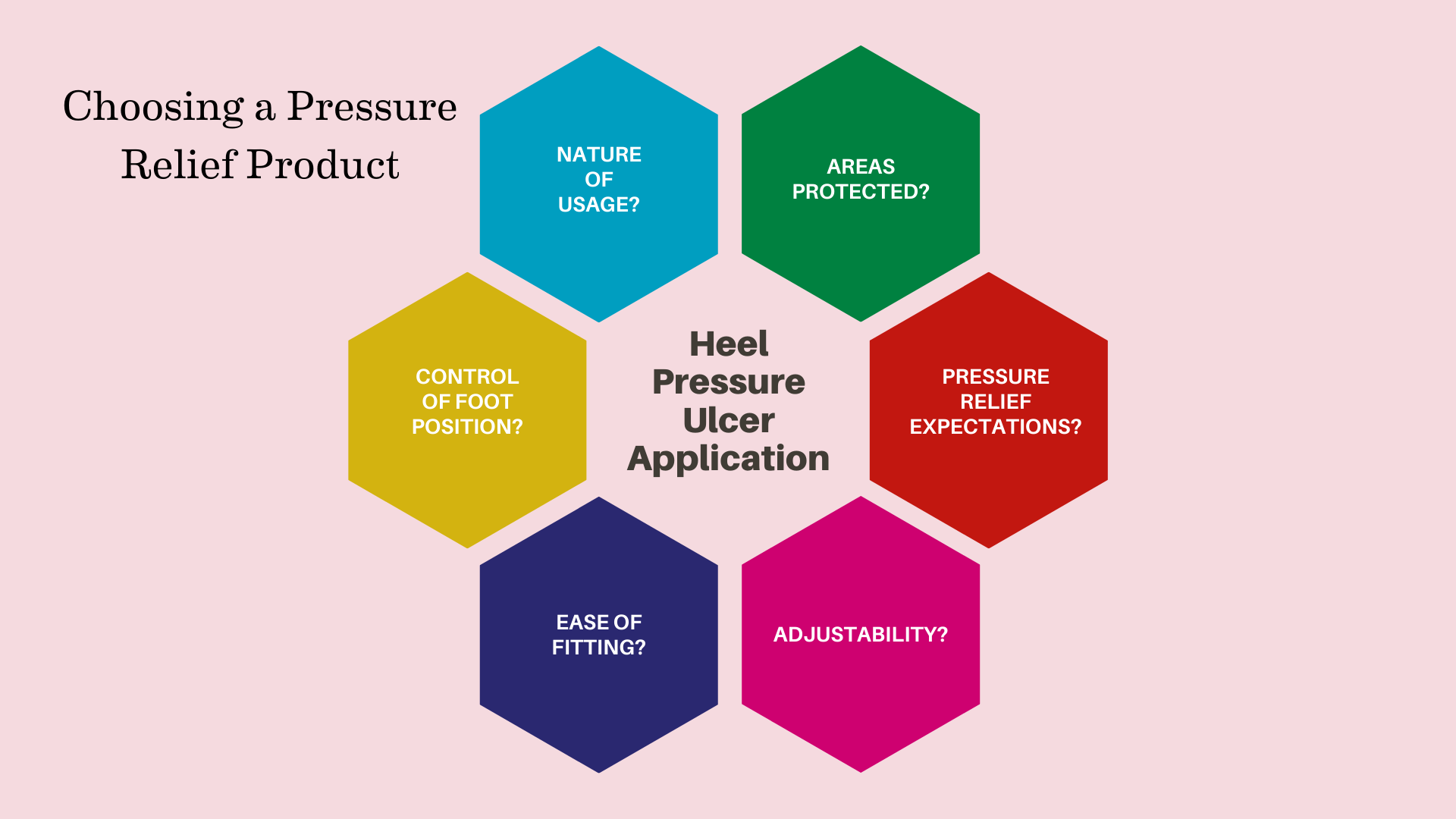
Heel protectors are an important tool in preventing and treating these pressure sores, but, with so many options available, it can be difficult to know which ones are best for your needs. This guide will help you choose the best heel protectors. It's probably not as straightforward as you might have thought.
As you might expect, we will describe why the PRAFO range of ankle-foot orthoses ranks as the market leader for this type of product because of how they manage the broadest aspects of risk.

Can I walk safely in a PRAFO?
This is a question that we are often asked. The short answer is yes, you can walk in a PRAFO (Pressure Relief Ankle Foot Orthosis). The PRAFO is an orthotic device family that is designed to provide complete relief from pressure or shear at the vulnerable heel area whether the user is in bed or walking around. Pressure ulcers represent a big problem for the NHS and protection from pressure and shear is key to prevention, or when things go wrong, to accelerate healing.
However, each PRAFO in the range offers much more than pressure relief though and this is essential to facilitate continuity of care. Continuity of care is an important part of the rehabilitation process and that is why our PRAFOs are designed so that the user can walk in them. If a product allows pressure protection but does not support the next step in the rehabilitation process then a different product would be required which necessitates further cost and inefficiency.