Articles
Filter by Topic
- Adaptive Sport 2
- Artificial Intelligence 1
- Bike Labyrinth 3
- Bone density 1
- Brachial Plexus 2
- Bridging the Gap 1
- Bridging the Gap 1
- Carbonhand 4
- Cardiovascular 1
- Cauda Equina Syndrome 1
- Client Stories 4
- Cognition 1
- Company Updates 3
- Decision Making 2
- Dementia 1
- Denervation 30
- Diabetic Foot 12
- Efficiency 1
- Electrotherapy 33
- Exercise Benefits 34
- FES Cycling 23
- Fatigue 1
- Functional Electrical Stimulation (FES) 64
- Gait 2
- Goal Setting 5
- Grip 3
- Guidelines 2
- HRV 1
- Healthspan 2
- Indego 13
- Lifestyle 10
- Lower Motor Neuron 2
- Mobility 17
- Motivation 2
- NMES 3
- Nerve injury 5
- NexStride 1
- Occupational Therapy 1
- Orthotic 15
- PRAFO 31
- Pain 7
- Parkinsons 2
- Pressure Ulcers 19
- Product Updates 7
- RISE Stimulator 14
- Safety 2
- Spasticity 4
- Sponsor 1
- Standing 5
- Stim2Go 9
Article Length
- 1 minute read 3
- 10 minute read 23
- 11 minute read 4
- 12 minute read 11
- 14 minute read 1
- 15 minute read 14
- 18 minute read 1
- 2 minute read 4
- 24 minute read 1
- 25 minute read 2
- 26 minute read 1
- 28 minute read 1
- 3 minutes read 9
- 4 minute read 33
- 5 Minute read 17
- 6 minute read 6
- 7 minute read 20
- 8 minute read 12
- 9 minute read 4
- FES 2
- FoG 1
- Long Read 1
- PRAFO 1
- Seven Minute Read 1
- awareness 1
- carbonhand 2
- cognitive 1
- cues 1
- freezing gait 1
- freezing of gait 1
- gait 1
- neurological 1
- neuroplasticity 1
- nexstride 2
- occupational therapy 1
- occupational therapy day 1
- orthopaedics 1
- orthotic 1
- parkinson's 1
- pressure 1
- pressure relief 1
- prevention 1
- rehabilitation 2
- stroke 1
- ulcers 1
- world stroke day 1

How to Prevent Heel Pressure Ulcers: First Understand What Causes Them?
Discover how to prevent pressure sores on heels in this insightful blog post. Learn about the risk factors, influencing factors and effective prevention tips. Explore the range of heel protectors that offer more than just protection, supporting safe mobilisation and aiding the patient's recovery journey. Available in various sizes and liner interfaces.
How to Choose the Best Heel Protectors for Pressure Ulcer Prevention or Treatment
Pressure ulcers, sometimes known as pressure sores, or bedsores, can be a serious health concern for those who are bedridden, have limited mobility or have additional medical risk factors such as diabetic foot disease.
Even though we know what causes pressure ulcers, and recognise that prevention is best, they still cost the NHS £3.8 million per day to treat.
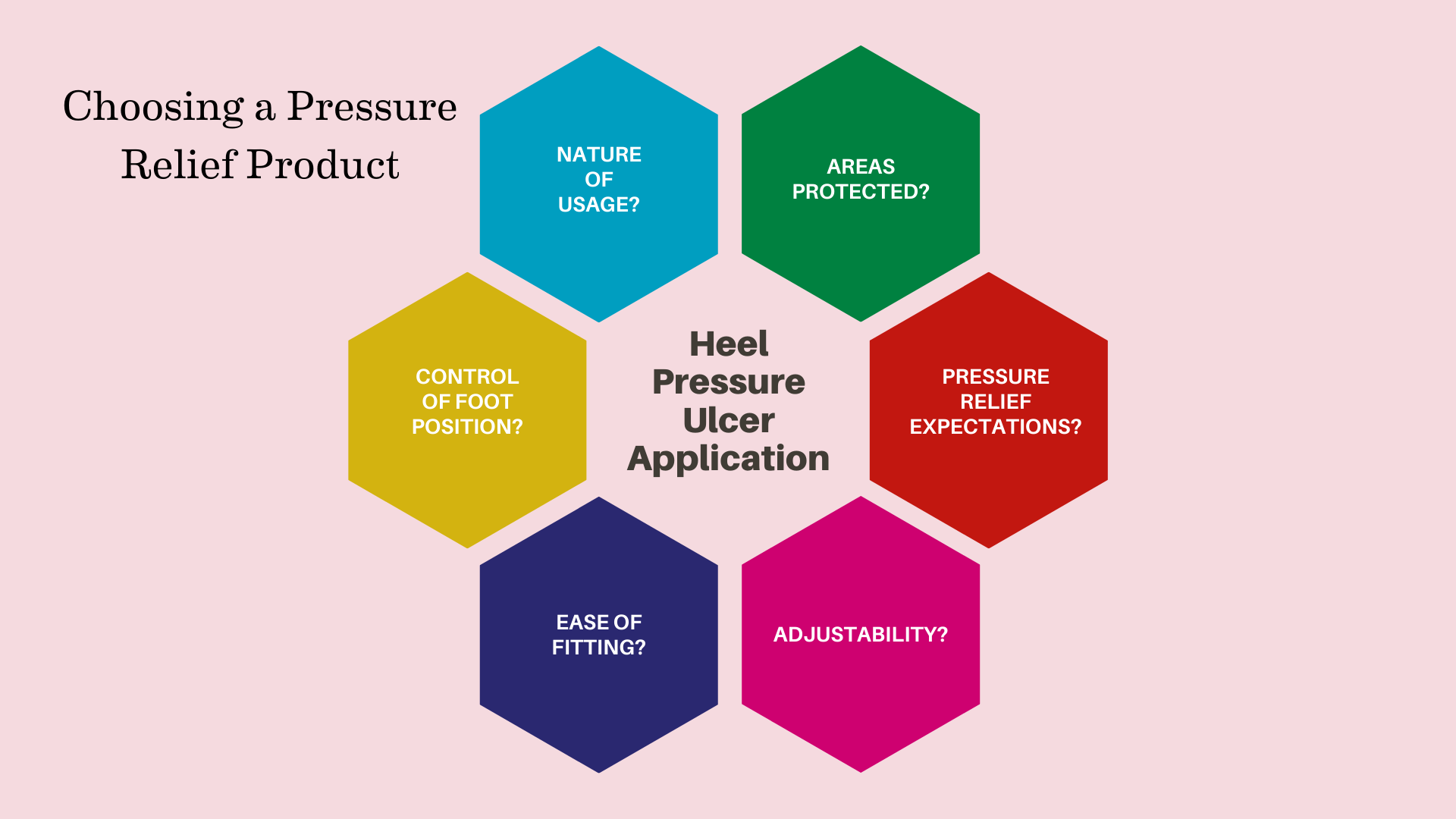
Heel protectors are an important tool in preventing and treating these pressure sores, but, with so many options available, it can be difficult to know which ones are best for your needs. This guide will help you choose the best heel protectors. It's probably not as straightforward as you might have thought.
As you might expect, we will describe why the PRAFO range of ankle-foot orthoses ranks as the market leader for this type of product because of how they manage the broadest aspects of risk.

Why the PRAFO Range of ankle foot orthosis is the market leader
When it comes to treating (or ideally) protecting against heel pressure ulcers, choosing the right product is essential. Every day, thousands of patients around the world are put at risk when using inadequate wound care products that fail to prevent and reduce their chances of developing skin breakdown due to prolonged tissue compression.
This is why investing in a well-researched heel protector that offers consistent protection is critical for orthotists, physiotherapists, doctors and patients alike. The PRAFO ankle foot orthosis range of heel protectors stands out as the top option on the market thanks to their impressive and often unique design features – this blog post will explore how they work and how these designs can support clinicians in preventing further tissue damage and keeping patients ambulant.
Preventing Pressure Ulcers on Heels: Tips and Strategies
Pressure ulcers, once upon a time known as bedsores, are a serious and painful condition that can occur when there is prolonged pressure on the skin. When pressure is applied to the skin for an extended period of time, it can lead to a decrease in blood flow and oxygen to the affected area, causing the skin to break down and form a sore. I need to add a bit of clarification here because no one can know if there is a safe level of pressure or a safe period of application - extended amount of time might not be very long at all. It varies so much with individual circumstances. The safest thing to do is aim to completely offload the heel area.
Pressure ulcers are more likely to occur in people who are bedridden or have limited mobility, as well as those who have certain medical conditions that affect blood flow, such as diabetes.:

Choosing Heel Protection Products
Pressure ulcers have been a serious healthcare issue for many decades. In fact, today, the NHS spends some £1.4m per day in dealing with them and of course this does not sum up the total economic and emotional cost. Pressure ulcers are often thought of as preventable and even a “failure of care” but they are a result of many factors both mechanical and medical and this complexity is perhaps the reason why we so often see them.
The PRAFO range of ankle foot orthoses have evolved to be popular and effective devices for the prevention and treatment of pressure ulcers at the heel area of vulnerable individuals.

Electrotherapy and wound healing - Part 1
Electrotherapy might seem an unlikely approach to use in healing pressure ulcers or chronic wounds of all types. However, it’s long been recognised that humans are “bioelectric” and there is such a thing as a “skin battery” that can be disrupted by wounds. In this short series we look at what we know of wound healing with electrotherapy. In this first article we introduce the topic and set the scene for the second article which looks at protocols and contraindications.