
Articles
Filter by Topic
- Adaptive Sport 2
- Artificial Intelligence 1
- Bariatric 1
- Bike Labyrinth 3
- Bone density 1
- Brachial Plexus 2
- Bridging the Gap 1
- Bridging the Gap 1
- Carbonhand 4
- Cardiovascular 1
- Cauda Equina Syndrome 1
- Client Stories 4
- Cognition 1
- Company Updates 3
- Decision Making 2
- Dementia 1
- Denervation 30
- Diabetic Foot 12
- Dressings 1
- Efficiency 1
- Electrotherapy 34
- Epilepsy 1
- Exercise Benefits 34
- FES Cycling 24
- Fatigue 1
- Functional Electrical Stimulation (FES) 66
- Gait 2
- Goal Setting 5
- Grip 3
- Guidelines 2
- HRV 1
- Healthspan 2
- History 1
- Indego 13
- Lifestyle 10
- Lower Motor Neuron 2
- Mobility 17
- Motivation 2
- Multiple Sclerosis 1
- NMES 4
- Nerve injury 5
- NexStride 1
- Occupational Therapy 1
- Orthotic 15
- PRAFO 33
- Pain 7
- Parkinsons 2
- Pressure Ulcers 21
- Product Updates 7
- RISE Stimulator 14
Article Length
- 1 minute read 3
- 10 minute read 27
- 11 minute read 4
- 12 minute read 11
- 14 minute read 1
- 15 minute read 14
- 18 minute read 1
- 2 minute read 4
- 24 minute read 1
- 25 minute read 2
- 26 minute read 1
- 28 minute read 1
- 3 minutes read 9
- 4 minute read 33
- 5 Minute read 18
- 6 minute read 6
- 7 minute read 20
- 8 minute read 14
- 9 minute read 4
- FES 2
- FoG 1
- Long Read 1
- PRAFO 1
- Seven Minute Read 1
- awareness 1
- carbonhand 2
- cognitive 1
- cues 1
- freezing gait 1
- freezing of gait 1
- gait 1
- neurological 1
- neuroplasticity 1
- nexstride 2
- occupational therapy 1
- occupational therapy day 1
- orthopaedics 1
- orthotic 1
- parkinson's 1
- pressure 1
- pressure relief 1
- prevention 1
- rehabilitation 2
- stroke 1
- ulcers 1
- world stroke day 1
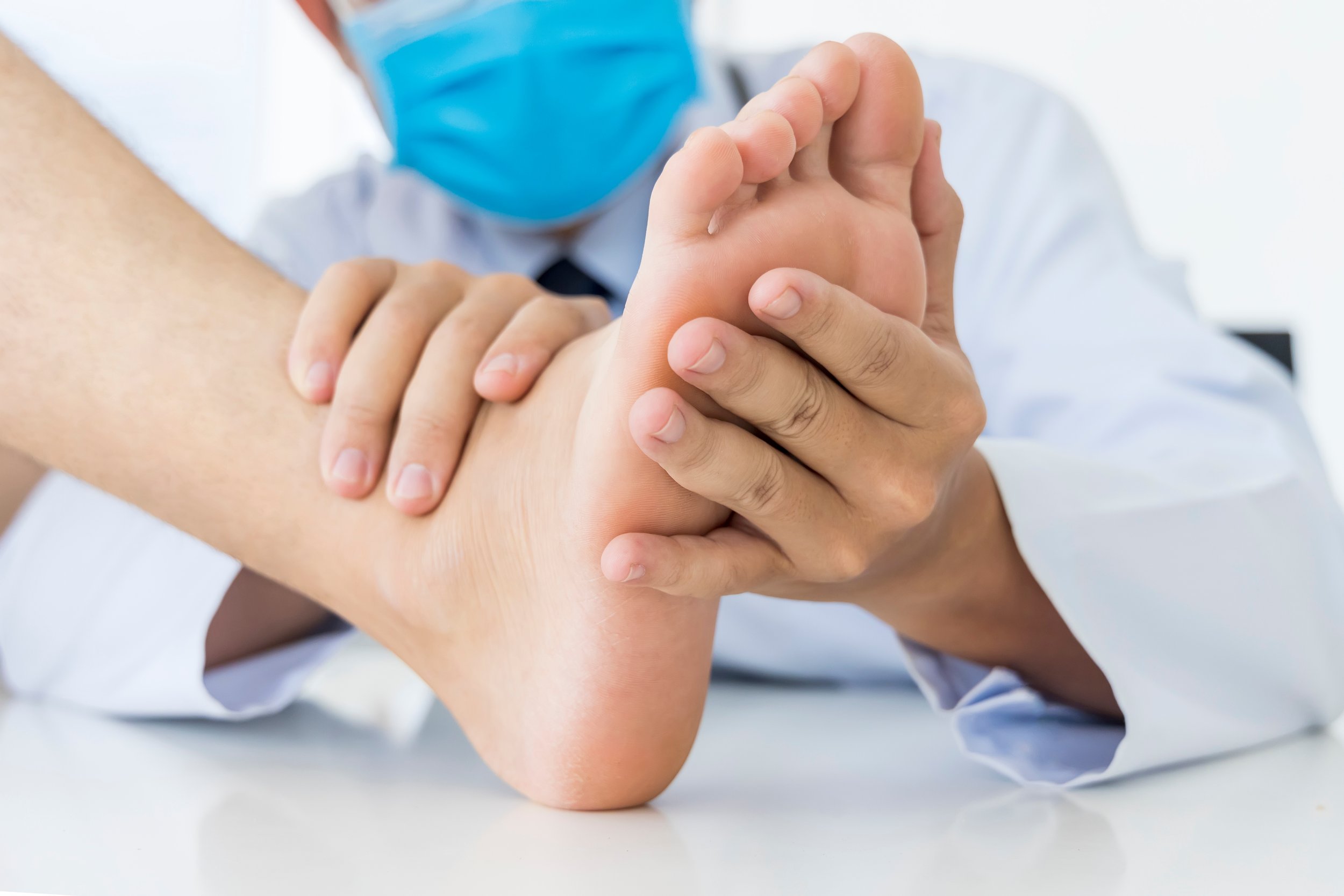
Heel Protection and the High-Tone Limb: Why Positioning Is the Other Half of the Job
Physiotherapists inherit the consequences of the first weeks after a stroke, a brain injury or a spinal cord injury twice over.
The first consequence is at the ankle itself. A foot that has spent weeks driven into plantarflexion by tone and gravity arrives in the rehabilitation gym short of the range it needs. A foot that cannot reach plantigrade cannot take weight properly, and everything that needs attention (standing practice, transfers, gait work) gets harder.
The second inherited problem relates to the skin. A heel pressure ulcer acquired during the acute phase can halt weight-bearing for weeks or months, right at the point in recovery when time matters most. Every day that the patient remains in bed results in loss of muscle mass. We also know that such an ulcer, even when healed, is much more likely to recur due to changes in the tissue's mechanical properties.
Most writing about heel pressure relief devices treats these as separate problems, one belonging to tissue viability and one to physiotherapy. In my experience, if we want continuity of care, they are best considered as part of the same problem seen from two directions, and the device on the end of the bed is where they meet. This article is about that meeting point, including some evidence that does not say what many people assume it says.
Numbness After a Nerve Injury: What Electrical Stimulation Can and Cannot Do
If you've lost sensation in a hand or foot due to nerve injury, you'll notice that most of the information available focuses on muscle. Muscle wasting, muscle strengthening, preventing atrophy, stimulating a weak limb. Page after page of content. Then you look for something about the numbness, the part that actually bothers you most, and there is very little content available.
I want to address that gap, because there is real evidence that electrical stimulation improves sensory recovery. There is also, as far as I am aware, no evidence that any device you can buy and use at home will bring feeling back to a numb hand. Those two statements sit together and seem to be opposing; the difference between them is worth understanding before anyone sells you anything.
Foot Drop After a Nerve Injury, and Why It Is Not the Same as Foot Drop After a Stroke
We see many people with foot drop, but the cause can vary a great deal and the treatment approach consequently will need to be personalised to the situation. One person has broken a leg; another has dislocated a knee or is recovering from a hip replacement or lumbar spine surgery, and now the foot on that side will not lift. They are catching their toe on every kerb. They have discovered foot drop stimulators online, watched the videos of people walking along a corridor without a brace, and they want to know how to get one.
The videos are genuine. The devices do what they appear to do. But almost every person in those videos has had a stroke, and that difference is not a minor detail. It decides whether that type of device can work for you at all.
I want to explain what a foot drop stimulator is actually doing, why it may do nothing whatsoever for a peroneal nerve injury, and what does matter in the first few months after that kind of injury.
Protecting Heels After Stroke: Balancing Recovery and Prevention
Stroke rehabilitation is a race against time. The first weeks and months after a stroke represent a critical window for neurological recovery, when intensive therapy can make the greatest difference to long-term outcomes. Anything that delays or limits that rehabilitation—including preventable complications like heel pressure ulcers—costs the patient precious time.
Yet the very factors that make stroke rehabilitation urgent also make heel protection challenging. The hemiplegic leg lies immobile. Sensation may be impaired. Muscle tone may push the heel into sustained contact with the mattress. The patient cannot feel the damage as it occurs.
This article examines why stroke survivors face particular heel vulnerability and how to balance protection with the mobilisation that recovery requires.

Pressure Reduction vs Complete Offloading: Why the Distinction Matters for Tissue Viability
The terms get used interchangeably in clinical practice. Pressure reduction. Offloading. Heel protection. Redistribution. But they are not the same thing. And the distinction matters to clinical outcomes —particularly at the heel, where anatomy conspires against us.
The 2025 International Pressure Injury Guideline makes this explicit. For heels, the recommendation is unambiguous: heels should be "fully free from contact with the support surface." Not reduced pressure. Not redistributed pressure. Zero contact.
This article explains the biomechanical difference between pressure reduction and complete offloading, why it matters specifically at the heel, and what the evidence shows. Let's be clear about definitions first.

Denervated Muscle Stimulation: Why Optimal Intensity Beats Maximum Intensity
When treating denervated muscles with electrical stimulation, a common assumption is that stronger is better—that maximum current intensity will produce the best results. However, clinical evidence tells a different story: optimal outcomes come from finding the minimum effective intensity, not the maximum tolerable one.
I generally advise clients at the beginning not to worry too much about the specific current level, but to increase the current intensity until they start to see a contraction, and then increase by about 10% over that. I would call that the minimum effective intensity.