Articles
Filter by Topic
- Adaptive Sport 2
- Artificial Intelligence 1
- Bariatric 1
- Bike Labyrinth 3
- Bone density 1
- Brachial Plexus 2
- Bridging the Gap 1
- Bridging the Gap 1
- Carbonhand 4
- Cardiovascular 1
- Cauda Equina Syndrome 1
- Client Stories 4
- Cognition 1
- Company Updates 3
- Decision Making 2
- Dementia 1
- Denervation 30
- Diabetic Foot 12
- Dressings 1
- Efficiency 1
- Electrotherapy 33
- Exercise Benefits 34
- FES Cycling 24
- Fatigue 1
- Functional Electrical Stimulation (FES) 66
- Gait 2
- Goal Setting 5
- Grip 3
- Guidelines 2
- HRV 1
- Healthspan 2
- History 1
- Indego 13
- Lifestyle 10
- Lower Motor Neuron 2
- Mobility 17
- Motivation 2
- Multiple Sclerosis 1
- NMES 4
- Nerve injury 5
- NexStride 1
- Occupational Therapy 1
- Orthotic 15
- PRAFO 33
- Pain 7
- Parkinsons 2
- Pressure Ulcers 21
- Product Updates 7
- RISE Stimulator 14
- Safety 2
Article Length
- 1 minute read 3
- 10 minute read 26
- 11 minute read 4
- 12 minute read 11
- 14 minute read 1
- 15 minute read 14
- 18 minute read 1
- 2 minute read 4
- 24 minute read 1
- 25 minute read 2
- 26 minute read 1
- 28 minute read 1
- 3 minutes read 9
- 4 minute read 33
- 5 Minute read 18
- 6 minute read 6
- 7 minute read 20
- 8 minute read 14
- 9 minute read 4
- FES 2
- FoG 1
- Long Read 1
- PRAFO 1
- Seven Minute Read 1
- awareness 1
- carbonhand 2
- cognitive 1
- cues 1
- freezing gait 1
- freezing of gait 1
- gait 1
- neurological 1
- neuroplasticity 1
- nexstride 2
- occupational therapy 1
- occupational therapy day 1
- orthopaedics 1
- orthotic 1
- parkinson's 1
- pressure 1
- pressure relief 1
- prevention 1
- rehabilitation 2
- stroke 1
- ulcers 1
- world stroke day 1
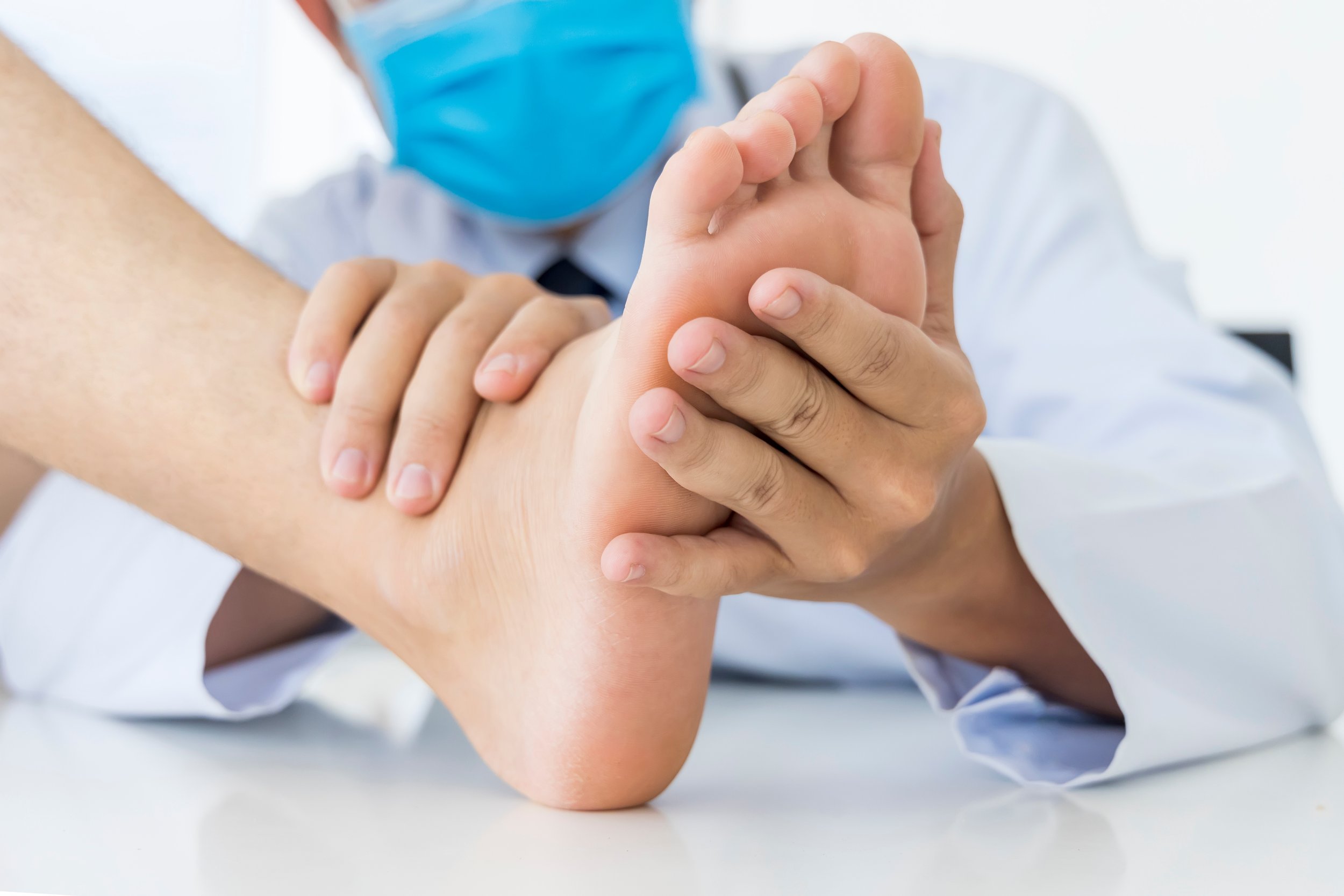
An Innovative Orthotic Product for the Prevention and Treatment of Equinus Contracture
In this article, we have outlined the implications of equinus contracture, a condition that often affects stroke patients and can cause significant physical disability. We've addressed the limitations of commonly used orthotic solutions and introduced the 654SKG DDA Orthosis, a dynamic device designed to prevent and even reverse heel contractures.
This orthosis ensures tissue health and corrects biomechanics, making it a valuable tool for various clinical applications. The article also provides guidelines for its proper use and stresses the importance of consulting with healthcare professionals before starting to use any device for the treatment or prevention of equinus contracture.
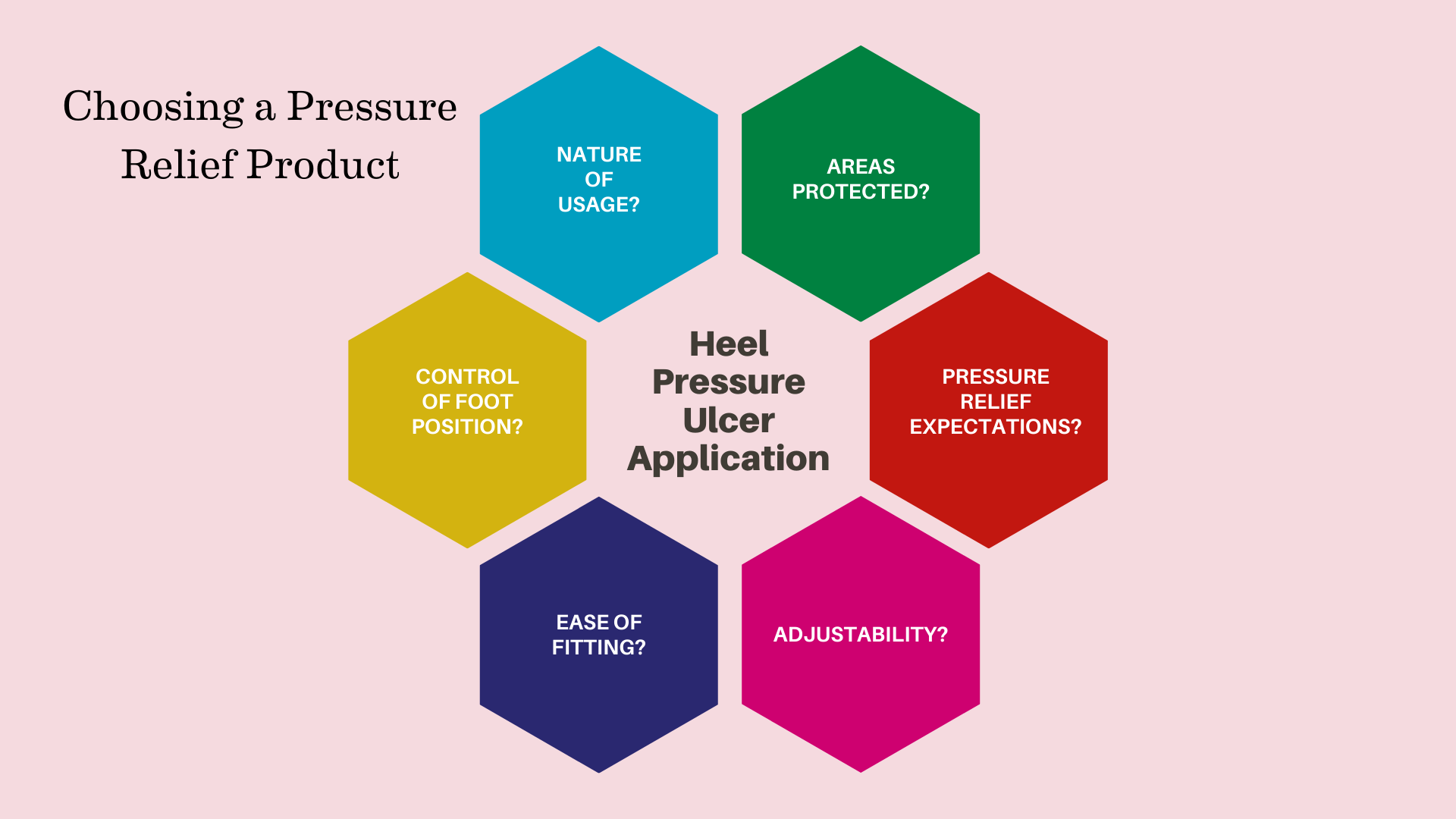
How to Choose the Best Heel Protectors for Pressure Ulcer Prevention or Treatment
Pressure ulcers, sometimes known as pressure sores, or bedsores, can be a serious health concern for those who are bedridden, have limited mobility or have additional medical risk factors such as diabetic foot disease.
Even though we know what causes pressure ulcers, and recognise that prevention is best, they still cost the NHS £3.8 million per day to treat.
Heel protectors are an important tool in preventing and treating these pressure sores, but, with so many options available, it can be difficult to know which ones are best for your needs. This guide will help you choose the best heel protectors. It's probably not as straightforward as you might have thought.
As you might expect, we will describe why the PRAFO range of ankle-foot orthoses ranks as the market leader for this type of product because of how they manage the broadest aspects of risk.

Transcutaneous Spinal Cord Stimulation: A New Hope for Spinal Injuries
Welcome to our latest exploration in the captivating realm of neurorehabilitation. Today, we venture into the innovative field of transcutaneous spinal cord stimulation (tSCS) - a groundbreaking approach that has been making waves in recent years. Like Functional Electrical Stimulation, Neurofeedback and biofeedback, tSCS is within the general category of applications being referred to as neuromodulation.
Essentially, tSCS is a non-invasive method that involves sending small electrical currents transcutaneously to stimulate the spinal cord. Research has been underway to utilise tSCS in rehabilitating individuals with spinal cord injuries, opening new doors to hope and recovery.
By the end of this blog post, we aim to enlighten you about the science behind tSCS, and the potential it holds for improving the quality of life in spinal cord injury survivors

Denervation of Muscle - Why use electrical stimulation?
At Anatomical Concepts, we specialise in treating denervation - a condition where muscles lose their nerve supply. This can result from peripheral nerve injuries or certain spinal cord injuries affecting lower motor neurons. Untreated denervation leads to muscle atrophy, weakening muscles, and reduced ability to contract. However, RISE Stimulator, a device we use, can effectively treat denervation. By transmitting electrical signals directly to the muscle fibers, it bypasses the damaged nerve, preventing atrophy and muscle structural changes. This treatment method can normalize muscle tissue and increase muscle bulk over time. It's best to start soon after injury but can also help those with long-term injuries.

Exploiting Technology for Intensive Neurological Rehabilitation - Guest Post
This is a guest post by Chris Wynne from our partners at The Rehab Physio in the Wirral. Their excellent facilities provide intensive physical rehabilitation services and in this post, Chris explains something of their philosophy.
Neurological physiotherapy acknowledges a simple fact: the human body is an amazing thing with the ability to adapt to the changes we put upon it.
With the right physiotherapy skills, technology and techniques, we can help the body to find ways to help patients with a range of neurological conditions including spinal cord injury, stroke, brain injury and Cerebral Palsy to restore function, independence and quality of life.

Why is electrical stimulation used in rehabilitation?
Are you dealing with a neurological condition that requires rehabilitation? You may have heard about electrical stimulation, sometimes known as FES (Functional Electrical Stimulation) or electrotherapy, before. If so, you might be wondering why it is often used in rehabilitation and whether it is right for your specific situation.
In this article, we are going to explore the concept of electrical stimulation and what its use in physical therapy offers in particular for individuals recovering from neurological conditions. Read on to learn more about how electrical stimulation works and how it can help speed up recovery and improve function after an injury or neurological condition.