Articles
Filter by Topic
- Adaptive Sport 2
- Artificial Intelligence 1
- Bike Labyrinth 3
- Bone density 1
- Brachial Plexus 2
- Bridging the Gap 1
- Bridging the Gap 1
- Carbonhand 4
- Cardiovascular 1
- Cauda Equina Syndrome 1
- Client Stories 4
- Cognition 1
- Company Updates 3
- Decision Making 2
- Dementia 1
- Denervation 28
- Diabetic Foot 12
- Efficiency 1
- Electrotherapy 32
- Exercise Benefits 34
- FES Cycling 22
- Fatigue 1
- Functional Electrical Stimulation (FES) 64
- Gait 2
- Goal Setting 5
- Grip 3
- Guidelines 1
- HRV 1
- Healthspan 2
- Indego 13
- Lifestyle 10
- Lower Motor Neuron 1
- Mobility 17
- Motivation 2
- NMES 3
- Nerve injury 3
- NexStride 1
- Occupational Therapy 1
- Orthotic 15
- PRAFO 29
- Pain 7
- Parkinsons 2
- Pressure Ulcers 16
- Product Updates 7
- RISE Stimulator 13
- Safety 2
- Spasticity 3
- Sponsor 1
- Standing 5
- Stim2Go 9
Article Length
- 1 minute read 3
- 10 minute read 23
- 11 minute read 4
- 12 minute read 10
- 15 minute read 13
- 18 minute read 1
- 2 minute read 4
- 24 minute read 1
- 25 minute read 1
- 26 minute read 1
- 28 minute read 1
- 3 minutes read 9
- 4 minute read 34
- 5 Minute read 17
- 6 minute read 6
- 7 minute read 17
- 8 minute read 12
- 9 minute read 3
- FES 2
- FoG 1
- Long Read 1
- PRAFO 1
- Seven Minute Read 1
- awareness 1
- carbonhand 2
- cognitive 1
- cues 1
- freezing gait 1
- freezing of gait 1
- gait 1
- neurological 1
- neuroplasticity 1
- nexstride 2
- occupational therapy 1
- occupational therapy day 1
- orthopaedics 1
- orthotic 1
- parkinson's 1
- pressure 1
- pressure relief 1
- prevention 1
- rehabilitation 2
- stroke 1
- ulcers 1
- world stroke day 1

Lower Motor Neuron Lesion versus Upper Motor Lesion
In physical rehabilitation, it is often the case that intensive effort is applied to exploit the natural ability of the body to adapt to the consequences of injury. This property, known as neuroplasticity is not yet fully understood but it at least represents hope that some functional recovery is possible in many cases. In many cases there will remain a functional deficit and ultimately we find ways to compensate for function that cannot be recovered.
The nervous system is a very complex, adaptable structure, that can be disrupted by illness or injury. Rehabilitation strategies to apply in a particular case obviously depend on the nature and extent of injury.
Clinicians might refer to an "upper motor" or "lower motor" lesion when discussing a particular case. What do these terms mean? In this article we review the meaning of these statements and the consequences for rehabilitation. Some of our electrical stimulation products relate to problems with the nervous system and may help to restore or compensate for loss of function following injury or illness. Which products are relevant to these types of lesions?
Let's start by reviewing some aspects of the nervous system.

Rehabilitation for Spinal Cord Injury:
Experiencing a spinal cord injury (SCI) can be life-altering and poses significant challenges in everyday life. However, with comprehensive rehabilitation and the right support, restoring some functionality, independence, and an enhanced quality of life is not just a dream, but a realistic goal.
This article shines a light on the journey of SCI rehabilitation, highlighting the array of specialised strategies and programs that are designed to cater to the unique needs of each. It discusses the limitations of state healthcare and alternative resources, such as private therapists and rehabilitation facilities, while also highlighting the importance of early personal injury legal advice in negligence cases. The piece underscores the impact of rehabilitation on physical and psychological well-being and advocates for a multidisciplinary treatment approach.

How the Tek RMD is tailored to you
The Tek RMD is a great use of robotic technology. The product allows persons with lower limb paralysis or weakness to get out of their wheelchair with very little effort, and then stand in a great posture whilst being able to move around. It’s not an alternative to a wheelchair or a replacement for a wheelchair but it does offer a unique complement to one. Sitting in a wheelchair all day is not great for health and standing is obviously desirable in many practical and social situations.
What is not so obvious at a glance is that each Tek RMD is capable of being adjusted to suit a wide range of statures. The cosmetic bodywork covers the means to adjust the product and we cant generally make major adjustments on site.
In this article we cover what measurements we use to adjust the Tek RMD to the individual user

How are spinal cord injuries classified?
A spinal cord injury can be a life-changing event that no one is ever prepared for. Medical science has learned a great deal about how to treat the short-term consequences of a spinal cord injury. In the longer term, the imperative is to recover whatever function can be recovered through focusing on rehabilitation. Assistive technology can help to compensate for function that cannot be recovered. By preventing complications and striving for health, individuals can expect to enjoy good quality and length of life.
The mindset, attitudes and beliefs of the injured person and those around them will have a great impact on their potential for recovery, but there are limits to how far ‘belief’ will take them. Just believing that something is possible is not enough to make it so. We live in an age when technology, therapy and medical science can help individuals recover more function or at least remain healthier than would have seemed impossible just a few years ago. Whilst there is no cure yet for spinal cord injury, this no longer seems an impossible dream.
Every spinal cord-injured person faces a different challenge as they essentially have injuries with somewhat different characteristics. To deal with this, medical science has sought to find a way to classify spinal cord injuries in a way that helps to guide treatment, and to some extent, define the expectations for recovery. This article examines how spinal cord injuries are classified.

Is Electrical Stimulation Safe?
Electrical Stimulation Therapy has established itself as a substantial tool in physical therapy. Applications such as Transcutaneous Electrical Nerve Stimulation (TENS) units and Electrical Muscle Stimulation (EMS) devices have demonstrated substantial effectiveness in improving overall function.
However, the application of electrical stimulation requires stringent safety measures. Assessing patient history, establishing clear treatment objectives, verifying equipment certification, and checking for any contraindications are essential steps to ensure safe and effective treatment. The presence of conditions such as pregnancy, wounds or scars in the electrode area, metal or active implants, and skin diseases may require careful evaluation before proceeding.
Proper patient education on equipment use, along with professional supervision, helps to maximise the benefits while minimising potential risks. Overall, when applied correctly and tailored to individual needs, electrical stimulation can significantly contribute to enhancing rehabilitation outcomes.
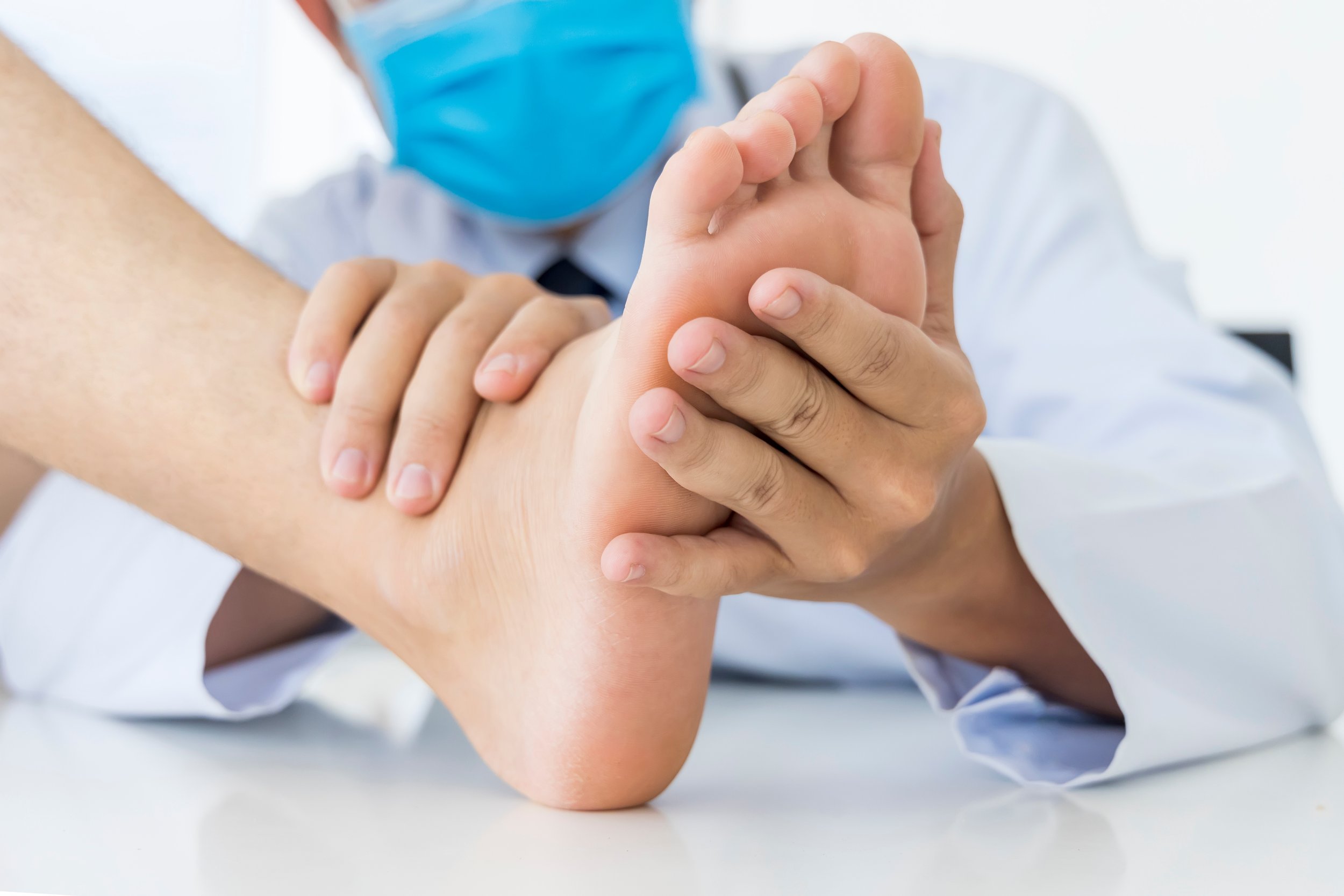
An Innovative Orthotic Product for the Prevention and Treatment of Equinus Contracture
In this article, we have outlined the implications of equinus contracture, a condition that often affects stroke patients and can cause significant physical disability. We've addressed the limitations of commonly used orthotic solutions and introduced the 654SKG DDA Orthosis, a dynamic device designed to prevent and even reverse heel contractures.
This orthosis ensures tissue health and corrects biomechanics, making it a valuable tool for various clinical applications. The article also provides guidelines for its proper use and stresses the importance of consulting with healthcare professionals before starting to use any device for the treatment or prevention of equinus contracture.