
Articles
Filter by Topic
- Adaptive Sport 2
- Artificial Intelligence 1
- Bariatric 1
- Bike Labyrinth 3
- Bone density 1
- Brachial Plexus 2
- Bridging the Gap 1
- Bridging the Gap 1
- Carbonhand 4
- Cardiovascular 1
- Cauda Equina Syndrome 1
- Client Stories 4
- Cognition 1
- Company Updates 3
- Decision Making 2
- Dementia 1
- Denervation 30
- Diabetic Foot 12
- Dressings 1
- Efficiency 1
- Electrotherapy 33
- Exercise Benefits 34
- FES Cycling 24
- Fatigue 1
- Functional Electrical Stimulation (FES) 66
- Gait 2
- Goal Setting 5
- Grip 3
- Guidelines 2
- HRV 1
- Healthspan 2
- History 1
- Indego 13
- Lifestyle 10
- Lower Motor Neuron 2
- Mobility 17
- Motivation 2
- Multiple Sclerosis 1
- NMES 4
- Nerve injury 5
- NexStride 1
- Occupational Therapy 1
- Orthotic 15
- PRAFO 33
- Pain 7
- Parkinsons 2
- Pressure Ulcers 21
- Product Updates 7
- RISE Stimulator 14
- Safety 2
Article Length
- 1 minute read 3
- 10 minute read 26
- 11 minute read 4
- 12 minute read 11
- 14 minute read 1
- 15 minute read 14
- 18 minute read 1
- 2 minute read 4
- 24 minute read 1
- 25 minute read 2
- 26 minute read 1
- 28 minute read 1
- 3 minutes read 9
- 4 minute read 33
- 5 Minute read 18
- 6 minute read 6
- 7 minute read 20
- 8 minute read 14
- 9 minute read 4
- FES 2
- FoG 1
- Long Read 1
- PRAFO 1
- Seven Minute Read 1
- awareness 1
- carbonhand 2
- cognitive 1
- cues 1
- freezing gait 1
- freezing of gait 1
- gait 1
- neurological 1
- neuroplasticity 1
- nexstride 2
- occupational therapy 1
- occupational therapy day 1
- orthopaedics 1
- orthotic 1
- parkinson's 1
- pressure 1
- pressure relief 1
- prevention 1
- rehabilitation 2
- stroke 1
- ulcers 1
- world stroke day 1
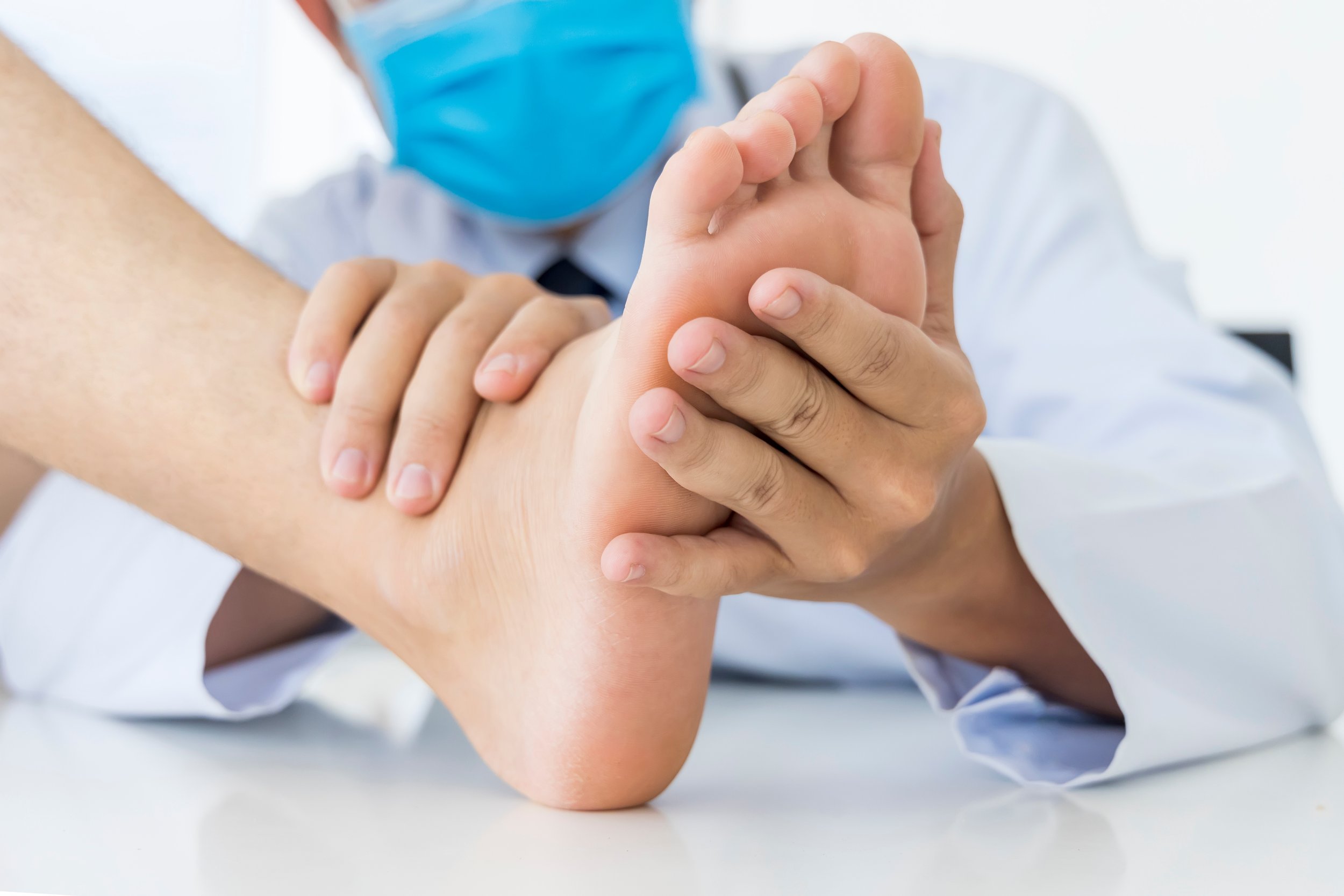
Foot Drop After a Nerve Injury, and Why It Is Not the Same as Foot Drop After a Stroke
We see many people with foot drop, but the cause can vary a great deal and the treatment approach consequently will need to be personalised to the situation. One person has broken a leg; another has dislocated a knee or is recovering from a hip replacement or lumbar spine surgery, and now the foot on that side will not lift. They are catching their toe on every kerb. They have discovered foot drop stimulators online, watched the videos of people walking along a corridor without a brace, and they want to know how to get one.
The videos are genuine. The devices do what they appear to do. But almost every person in those videos has had a stroke, and that difference is not a minor detail. It decides whether that type of device can work for you at all.
I want to explain what a foot drop stimulator is actually doing, why it may do nothing whatsoever for a peroneal nerve injury, and what does matter in the first few months after that kind of injury.
Protecting Heels After Stroke: Balancing Recovery and Prevention
Stroke rehabilitation is a race against time. The first weeks and months after a stroke represent a critical window for neurological recovery, when intensive therapy can make the greatest difference to long-term outcomes. Anything that delays or limits that rehabilitation—including preventable complications like heel pressure ulcers—costs the patient precious time.
Yet the very factors that make stroke rehabilitation urgent also make heel protection challenging. The hemiplegic leg lies immobile. Sensation may be impaired. Muscle tone may push the heel into sustained contact with the mattress. The patient cannot feel the damage as it occurs.
This article examines why stroke survivors face particular heel vulnerability and how to balance protection with the mobilisation that recovery requires.

Unveiling Successful Approaches for Upper Limb Rehabilitation in Stroke Survivors
Rehabilitation after a stroke can feel like an uphill battle, especially when dealing with upper limb dysfunction.
Approximately 85% of stroke survivors experience some form of arm and hand impairment, making daily tasks challenging.
This article seeks to illuminate some effective strategies being used worldwide to aid recovery, offering insights that could help stroke survivors, physical therapists, clinicians, and caregivers.
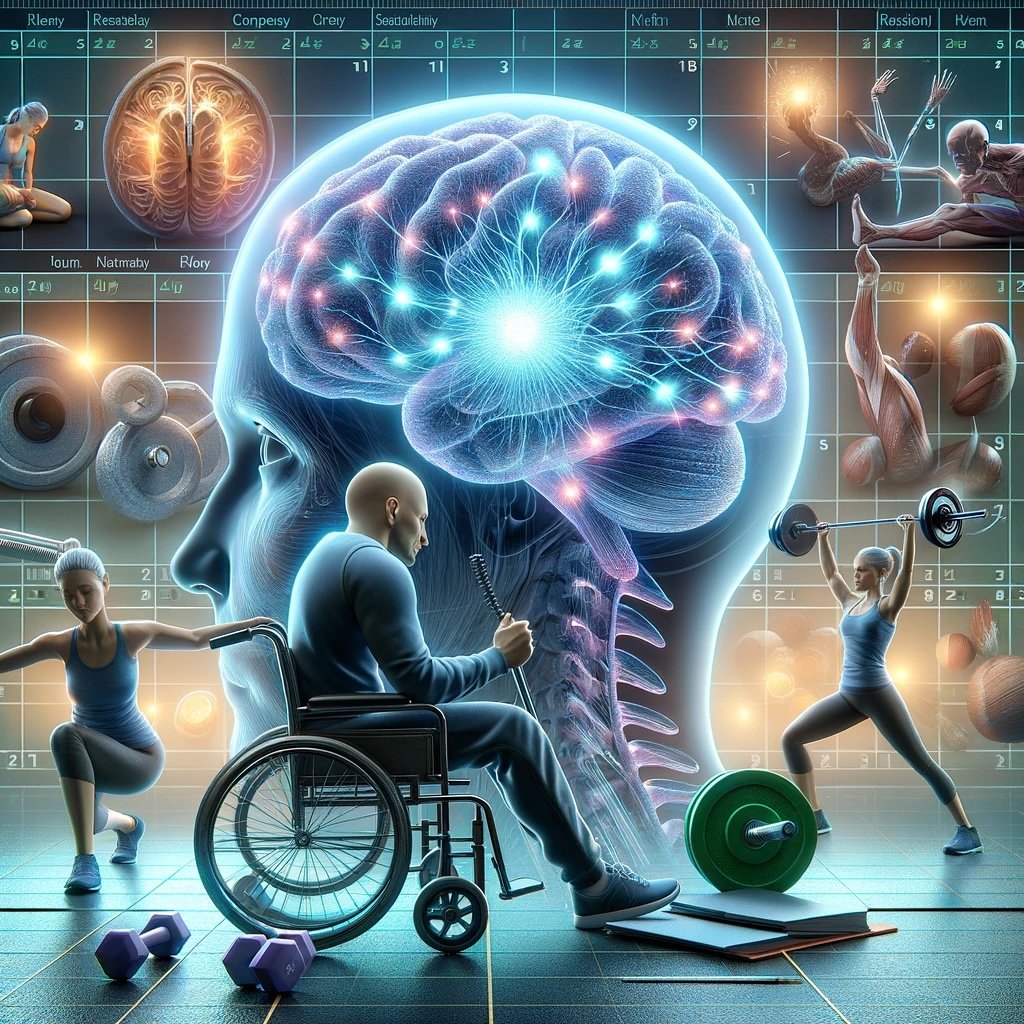
FES encourages Neuroplasticity - and why that's a good thing.
Functional Electrical Stimulation (FES) has been a widely used technology in rehabilitation for many decades. But did you recognise how FES can contribute to neuroplasticity. Varying the nature of the stimulation and how we apply it can have many effects and be an essential tool to facilitate constructive neuroplasticity when recovering from a stroke or other neurological condition. We know now that our nervous system remains "plastic" throughout our lives, and this fact has been a great source of hope for those recovering from a neurological insult. But what is neuroplasticity, and do we understand how to leverage it? In this article, we examine this topic and examine how FES can support neuroplasticity as part of physical rehabilitation that aims to recover function following a stroke or other neurological problem.

Hope on the Horizon: The Challenging Journey of Stroke Recovery in the UK
The challenge of providing effective and affordable rehabilitation for stroke survivors in the UK, and indeed globally, is multifaceted. It involves the development, availability, and cost of safe and effective technology and services. We can't take the development of new medical technology for granted. The time and cost of taking an idea forward and creating a product are becoming increasingly significant. Developers of such technology need to imagine making a return on their investment, and this needs more than the assurance of a clinical need - it takes someone willing to pay.
Stroke is a significant global healthcare challenge affecting millions, but this alone will not drive technology development unless there is a likely path toward a return on investment. This article considers the challenge of supporting stroke survivors in their recovery journey when resources seem lacking. We point to some products we loved that never developed sustained sales and some that might.

Stroke Awareness: Aiming for Prevention, Striving for Recovery
Explore the significance of stroke awareness, prevention and recovery as we commemorate World Stroke Day on October 29th. Learn about the signs of a stroke and embark on an inspiring journey into empowering neuroplasticity for rehabilitation followed by valuable insights into highly effective treatment techniques and a wealth of personalised resources designed to support stroke survivors on their individual path to recovery.