
Articles
Filter by Topic
- Adaptive Sport 2
- Artificial Intelligence 1
- Bariatric 1
- Bike Labyrinth 3
- Bone density 1
- Brachial Plexus 2
- Bridging the Gap 1
- Bridging the Gap 1
- Carbonhand 4
- Cardiovascular 1
- Cauda Equina Syndrome 1
- Client Stories 4
- Cognition 1
- Company Updates 3
- Decision Making 2
- Dementia 1
- Denervation 30
- Diabetic Foot 12
- Efficiency 1
- Electrotherapy 33
- Exercise Benefits 34
- FES Cycling 23
- Fatigue 1
- Functional Electrical Stimulation (FES) 66
- Gait 2
- Goal Setting 5
- Grip 3
- Guidelines 2
- HRV 1
- Healthspan 2
- History 1
- Indego 13
- Lifestyle 10
- Lower Motor Neuron 2
- Mobility 17
- Motivation 2
- NMES 4
- Nerve injury 5
- NexStride 1
- Occupational Therapy 1
- Orthotic 15
- PRAFO 32
- Pain 7
- Parkinsons 2
- Pressure Ulcers 20
- Product Updates 7
- RISE Stimulator 14
- Safety 2
- Spasticity 4
- Sponsor 1
Article Length
- 1 minute read 3
- 10 minute read 25
- 11 minute read 4
- 12 minute read 11
- 14 minute read 1
- 15 minute read 14
- 18 minute read 1
- 2 minute read 4
- 24 minute read 1
- 25 minute read 2
- 26 minute read 1
- 28 minute read 1
- 3 minutes read 9
- 4 minute read 33
- 5 Minute read 18
- 6 minute read 6
- 7 minute read 20
- 8 minute read 12
- 9 minute read 4
- FES 2
- FoG 1
- Long Read 1
- PRAFO 1
- Seven Minute Read 1
- awareness 1
- carbonhand 2
- cognitive 1
- cues 1
- freezing gait 1
- freezing of gait 1
- gait 1
- neurological 1
- neuroplasticity 1
- nexstride 2
- occupational therapy 1
- occupational therapy day 1
- orthopaedics 1
- orthotic 1
- parkinson's 1
- pressure 1
- pressure relief 1
- prevention 1
- rehabilitation 2
- stroke 1
- ulcers 1
- world stroke day 1
When Spasticity Gets in the Way of Standing
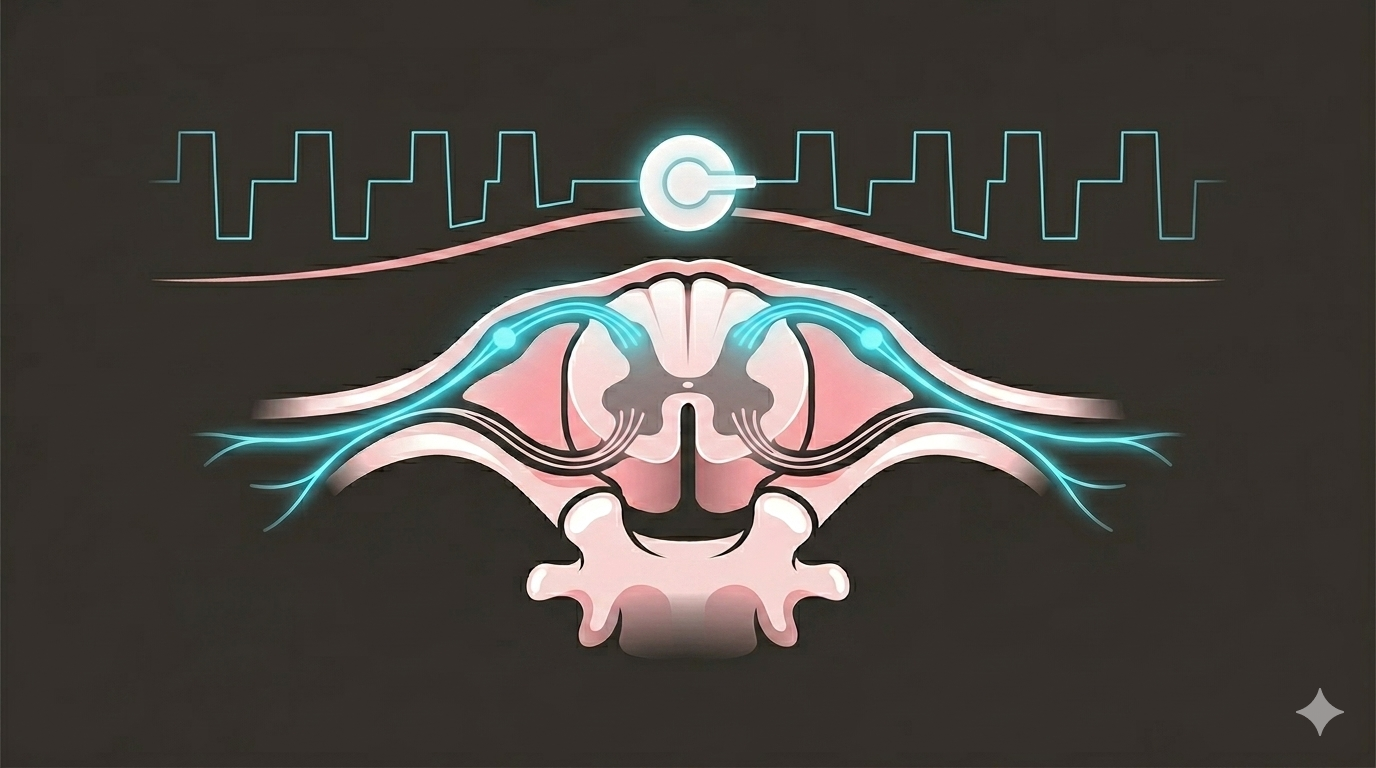
For some people, the obstacle to standing up is not weakness. It is the opposite problem: legs that are too stiff, too tense, or too unpredictable to cooperate. You go to move and the leg pushes out straight when you wanted it to bend, or a spasm arrives at the worst possible moment, or simply getting your feet into a sensible position feels like a negotiation. This is spasticity, and for a great many people, after an incomplete spinal cord injury or stroke, it is the single thing standing between them and a useful sit-to-stand.
We have written before about spasticity after spinal cord injury and the limits of medication. This article looks at a more specific question: when spasticity is the thing blocking a functional goal like standing, what can electrical stimulation do about it, and how do the pieces fit together?

One Device, Many Exercises: Getting More From a Single Stimulator
One of the quieter worries in rehabilitation is rarely about the therapy itself. It is about money. Equipment is expensive, budgets are tight, and funding is often uncertain until late in the process. The fear we hear most is not "will this work," but rather "will I spend a significant sum and end up with the wrong thing, or with several things that do not work well together." Does this sound familiar?
It is a reasonable worry, and it deserves a straight answer rather than a sales pitch. This article looks at one practical way of reducing that risk: choosing a single, flexible stimulator that covers several rehabilitation needs, rather than a separate machine for each. The device we have in mind is the Stim2Go, and the point is not so much the brand as the principle behind it.

Our FES Cycling Reading List: Nine New Articles from fescycling.com
We have just recently redeveloped our sister site, fescycling.com, dedicated to functional electrical stimulation cycling: the evidence, the practicalities, and the questions that come up most often in clinic. The articles below are written for people considering FES cycling, the families and case managers supporting them, and clinicians who want a clearer view of what the technology can and cannot do.
If you are new to FES cycling, the first three are the natural starting point. The rest go deeper into specific questions, conditions, and day-to-day reality. Although our offered system is based on the Stim2Go unit from Pajunk, the articles should be of general interest to those who wish to learn more about FES cycling.
If you'd like more, there is a comprehensive online resource available at https://fescycling.com/guide and a AI powered chat to let you explore it.
Spasticity After Spinal Cord Injury: When Medication Isn't the Answer
Spasticity is common after spinal cord injury, and while medication can help, it isn’t always the best or only option. This article explores alternative ways to manage spasticity when medication isn’t effective or suitable. It looks at why symptoms can vary, what triggers may make spasticity worse, and the importance of an individualised approach. From rehabilitation strategies to practical day-to-day management, it provides a helpful overview for improving comfort, function, and quality of life.

Stop Muscle Atrophy Before It Starts with Proactive FES
Muscle loss doesn’t wait and neither should prevention. This article explains how proactive FES can support early muscle activation, helping reduce atrophy during periods of limited mobility. Learn why starting sooner can make a difference, who it may be suitable for, and how FES fits into a broader rehabilitation plan.
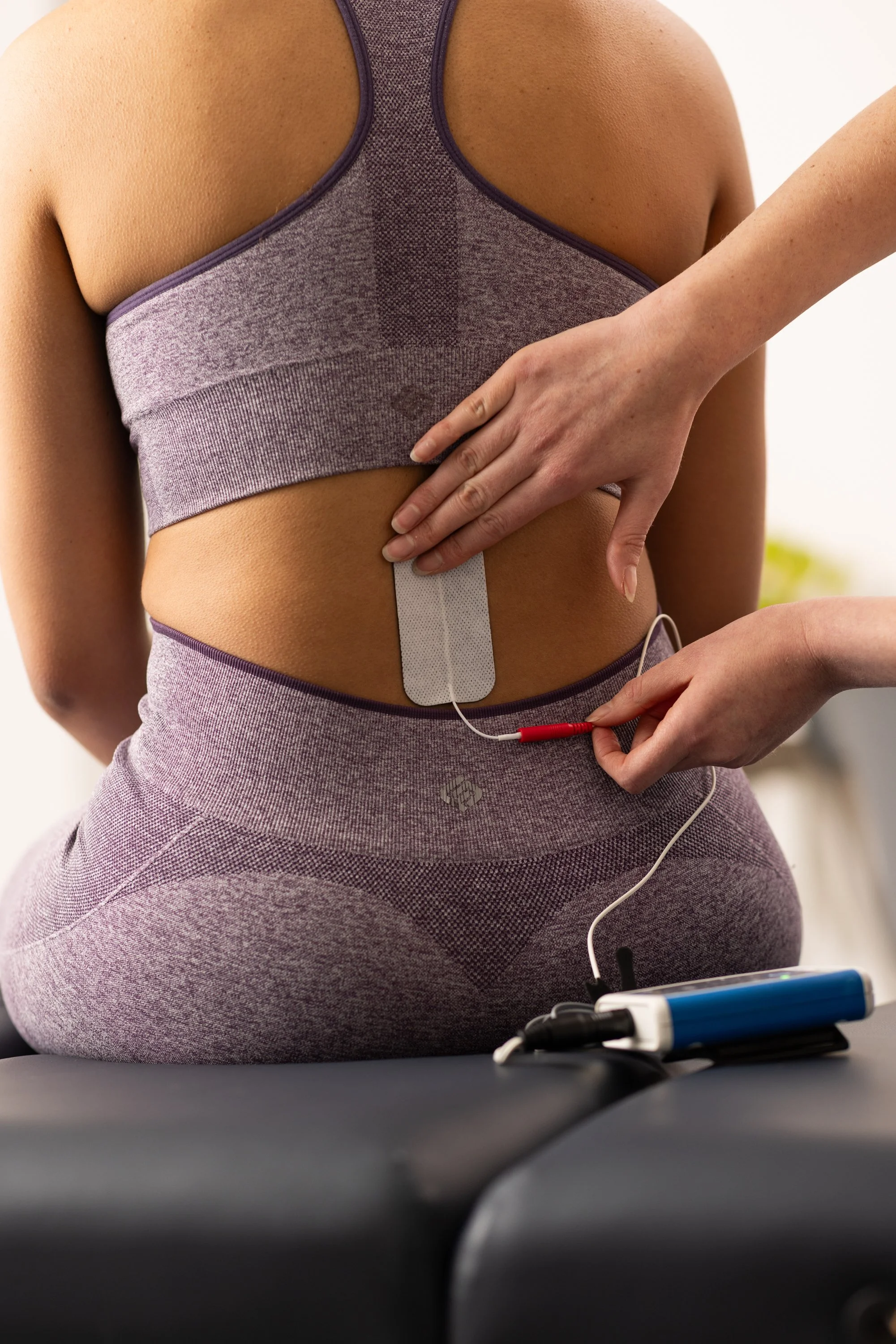
Stim2Go and Support for Transcutaneous Spinal Cord Stimulation
Transcutaneous spinal cord stimulation (TSCS) is an exciting and evolving area of neurorehabilitation, and having the right support is essential to get the most from it. This article introduces Stim2Go and explains how it can be used to support TSCS programmes in practice. It outlines the importance of correct set-up, guidance, and ongoing input to help clinicians and services implement TSCS safely and effectively. A helpful overview for anyone exploring TSCS delivery and the practical considerations around support and use.