
Articles
Filter by Topic
- Adaptive Sport 2
- Artificial Intelligence 1
- Bike Labyrinth 3
- Bone density 1
- Brachial Plexus 2
- Bridging the Gap 1
- Bridging the Gap 1
- Carbonhand 4
- Cardiovascular 1
- Cauda Equina Syndrome 1
- Client Stories 4
- Cognition 1
- Company Updates 3
- Decision Making 2
- Dementia 1
- Denervation 27
- Diabetic Foot 12
- Efficiency 1
- Electrotherapy 32
- Exercise Benefits 34
- FES Cycling 22
- Fatigue 1
- Functional Electrical Stimulation (FES) 64
- Gait 2
- Goal Setting 5
- Grip 3
- Guidelines 1
- HRV 1
- Healthspan 2
- Indego 13
- Lifestyle 10
- Lower Motor Neuron 1
- Mobility 17
- Motivation 2
- NMES 3
- Nerve injury 2
- NexStride 1
- Occupational Therapy 1
- Orthotic 15
- PRAFO 29
- Pain 7
- Parkinsons 2
- Pressure Ulcers 16
- Product Updates 7
- RISE Stimulator 13
- Safety 2
- Spasticity 3
- Sponsor 1
- Standing 5
- Stim2Go 9
Article Length
- 1 minute read 3
- 10 minute read 22
- 11 minute read 4
- 12 minute read 10
- 15 minute read 13
- 18 minute read 1
- 2 minute read 4
- 24 minute read 1
- 25 minute read 1
- 26 minute read 1
- 28 minute read 1
- 3 minutes read 9
- 4 minute read 34
- 5 Minute read 17
- 6 minute read 6
- 7 minute read 17
- 8 minute read 12
- 9 minute read 3
- FES 2
- FoG 1
- Long Read 1
- PRAFO 1
- Seven Minute Read 1
- awareness 1
- carbonhand 2
- cognitive 1
- cues 1
- freezing gait 1
- freezing of gait 1
- gait 1
- neurological 1
- neuroplasticity 1
- nexstride 2
- occupational therapy 1
- occupational therapy day 1
- orthopaedics 1
- orthotic 1
- parkinson's 1
- pressure 1
- pressure relief 1
- prevention 1
- rehabilitation 2
- stroke 1
- ulcers 1
- world stroke day 1
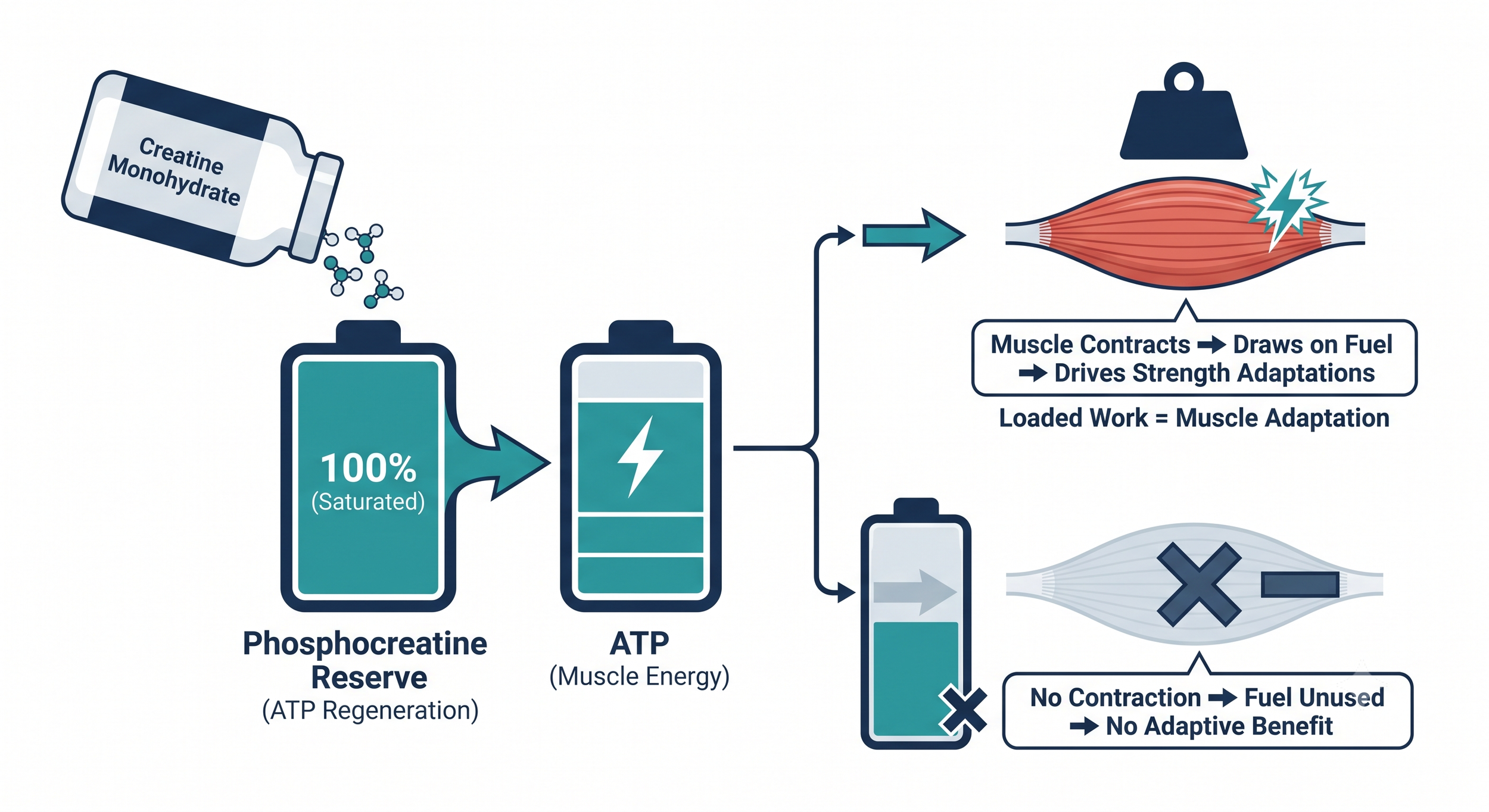
Creatine for neurological rehabilitation: Could it have value as a supplement?
Creatine monohydrate is the most studied supplement in sport, with a safety record few products can match. From time to time, someone living with a spinal cord injury, or a therapist working with neurological clients, asks me about it: if it builds muscle and improves performance in athletes, would it help someone rebuilding strength after a neurological injury? It is an interesting question.
This article works through what the research shows, its limitations, and what that means in practice. The short version is that the evidence in healthy and older adults is strong, the evidence in neurological rehabilitation is thin and mixed.
One point before we begin. Creatine is a food supplement, not a medicine, and nothing here is individual medical advice. If you have kidney problems, take other medication, or have a complex medical picture, speak to your doctor or a dietitian before starting anything. With that said, let us look at the evidence.

Key findings from the Neurokinex trial of the Onward Medical ARC-ex device
The Neurokinex-led Pathfinder2 Study, sponsored by Spinal Research and published in Neuromodulation: Technology at Neural Interface on February 25, 2025, represents a landmark investigation into the long-term efficacy of ONWARD Medicalʼs ARC-EX Therapy for spinal cord injury (SCI) rehabilitation. This one-year trial demonstrated sustained functional improvements in chronic SCI patients, challenging historical assumptions about recovery plateaus and redefining expectations for neurorehabilitation outcomes.
Transcutaneous spinal cord stimulation delivers electrical currents through surface electrodes positioned over the spinous processes, modulating spinal circuit excitability. Unlike invasive epidural stimulation, tSCS non-invasively targets dorsal roots and interneuronal networks, facilitating neuromodulation of both ascending sensory and descending motor pathways. The stimulation parameters (typically 30-50 Hz) are designed to enhance residual supraspinal connectivity while activating latent central pattern generators (CPGs) responsible for rhythmic motor outputs. Recent studies suggest that tSCS amplifies sensorimotor integration, enabling volitional movement by lowering activation thresholds for preserved neural pathways.

The Impact of Spinal Cord Injury on the Human Body
Spinal cord injuries have profound and lasting effects, disrupting both physical and neurological functions. Understanding these consequences is vital for patients, healthcare professionals, and researchers working towards improving outcomes for those affected. This brief guide will explore the physical challenges caused by spinal cord injuries, supported by insights from medical experts and research while highlighting potential treatments and solutions.
When the spinal cord is damaged, communication between the brain and body is disrupted. Depending on the severity and location of the injury, this disruption can result in paralysis, loss of sensation, or other debilitating symptoms. By comprehending these impacts, we can better develop treatments, therapies, and assistive technologies that improve quality of life.

Zone 2 Training for Spinal Cord Injuries?Unlocking the Benefits of Low-Intensity Cardio for Health and Performance
In this article, we explore whether Zone 2 training can aid individuals with spinal cord injuries (SCI). Zone 2 cardiovascular training, characterised by moderate-intensity exercise where the body primarily uses fat as fuel and maintains a steady heart rate, can benefit persons with spinal cord injuries (SCI). However, its suitability depends on the level and completeness of the injury, as well as the individual's physical condition and training goals.
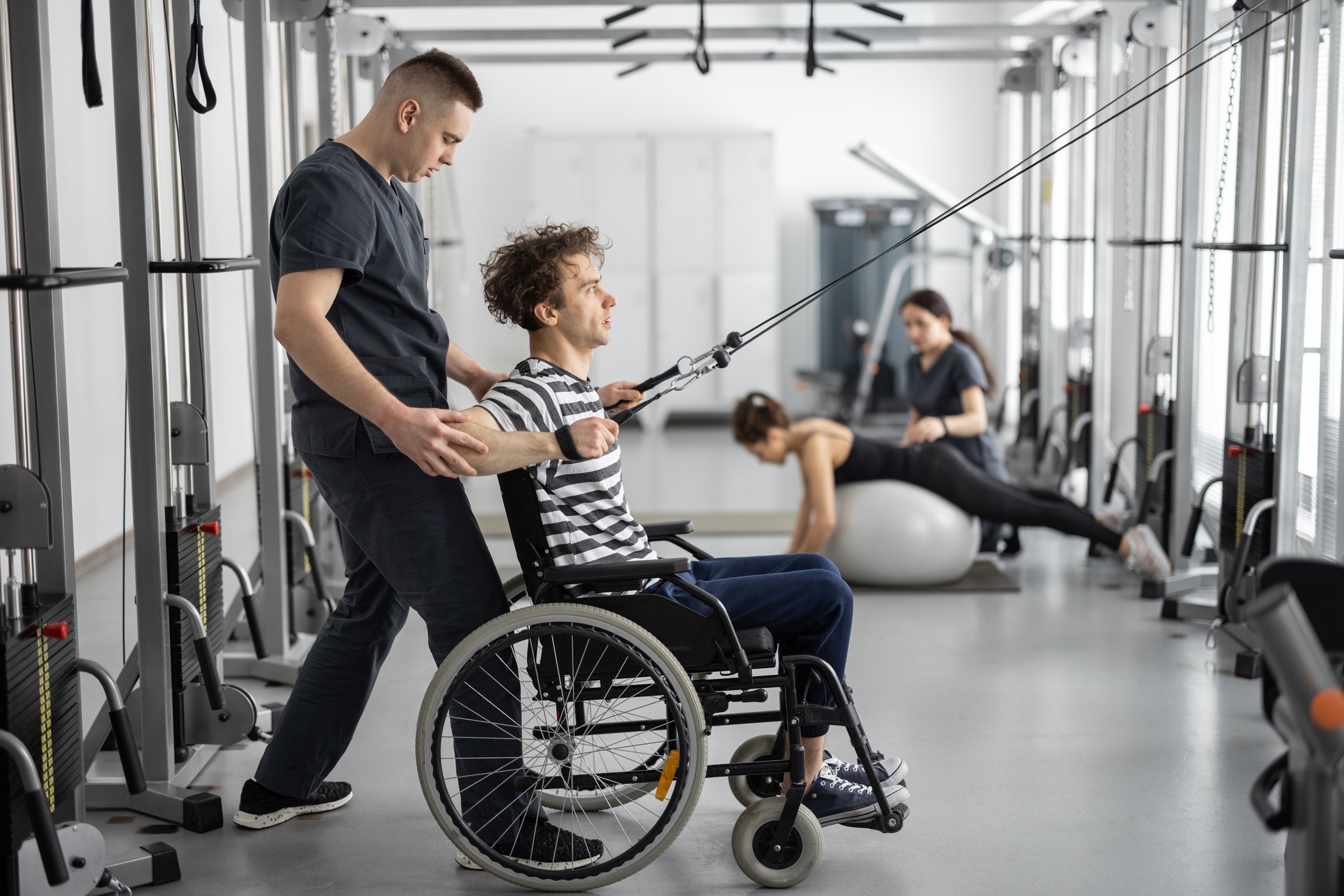
Measuring performance in spinal cord injury rehabilitation: New possibilities?
Many of us today walk around or exercise with products that sense many aspects of our daily activity. Smartphones and sensor developments mean that we can be more in tune with what is happening to our health and fitness. My Suunto watch monitors my heart rate and heart rate variability, blood oxygenation, skin temperature and activities in many ways. It can nudge me to exercise more, tell me how I recovered from exercise and alert me to how well or how badly I am sleeping.. I personally do like having these insights, but of course, some people will hate the idea of this.
The smartwatch and related sensor technologies have opened up some new possibilities. In this article, im going beyond the smartwatch of today and take a look at what additional sensor technologies might assist us with spinal cord injury rehabilitation in the near future. In particular, we take a look at two sensor areas that have grown in popularity with elite athletes - Muscle oxygen sensing and Lactate sensing. If you want to know why, then read on.

A Closer Look at Muscle Fatigue in FES Cycling and Spinal Cord Rehabilitation
What we have found in many years of working with spinal cord injured persons using FES Cycling, is that some clients are impatient to see their legs working hard from day one. They are disappointed when their muscles seem to fatigue so quickly when they start training for the first time. To understand why this is the case, we need to look at how muscles behave when contracting with the aid of electrical stimulation. We should also understand how a spinal cord injury produces changes in a person's muscular, skeletal and neural structures.