Articles
Filter by Topic
- Adaptive Sport 2
- Artificial Intelligence 1
- Bariatric 1
- Bike Labyrinth 3
- Bone density 1
- Brachial Plexus 2
- Bridging the Gap 1
- Bridging the Gap 1
- Carbonhand 4
- Cardiovascular 1
- Cauda Equina Syndrome 1
- Client Stories 4
- Cognition 1
- Company Updates 3
- Decision Making 2
- Dementia 1
- Denervation 30
- Diabetic Foot 12
- Dressings 1
- Efficiency 1
- Electrotherapy 33
- Exercise Benefits 34
- FES Cycling 24
- Fatigue 1
- Functional Electrical Stimulation (FES) 66
- Gait 2
- Goal Setting 5
- Grip 3
- Guidelines 2
- HRV 1
- Healthspan 2
- History 1
- Indego 13
- Lifestyle 10
- Lower Motor Neuron 2
- Mobility 17
- Motivation 2
- Multiple Sclerosis 1
- NMES 4
- Nerve injury 5
- NexStride 1
- Occupational Therapy 1
- Orthotic 15
- PRAFO 33
- Pain 7
- Parkinsons 2
- Pressure Ulcers 21
- Product Updates 7
- RISE Stimulator 14
- Safety 2
Article Length
- 1 minute read 3
- 10 minute read 26
- 11 minute read 4
- 12 minute read 11
- 14 minute read 1
- 15 minute read 14
- 18 minute read 1
- 2 minute read 4
- 24 minute read 1
- 25 minute read 2
- 26 minute read 1
- 28 minute read 1
- 3 minutes read 9
- 4 minute read 33
- 5 Minute read 18
- 6 minute read 6
- 7 minute read 20
- 8 minute read 14
- 9 minute read 4
- FES 2
- FoG 1
- Long Read 1
- PRAFO 1
- Seven Minute Read 1
- awareness 1
- carbonhand 2
- cognitive 1
- cues 1
- freezing gait 1
- freezing of gait 1
- gait 1
- neurological 1
- neuroplasticity 1
- nexstride 2
- occupational therapy 1
- occupational therapy day 1
- orthopaedics 1
- orthotic 1
- parkinson's 1
- pressure 1
- pressure relief 1
- prevention 1
- rehabilitation 2
- stroke 1
- ulcers 1
- world stroke day 1
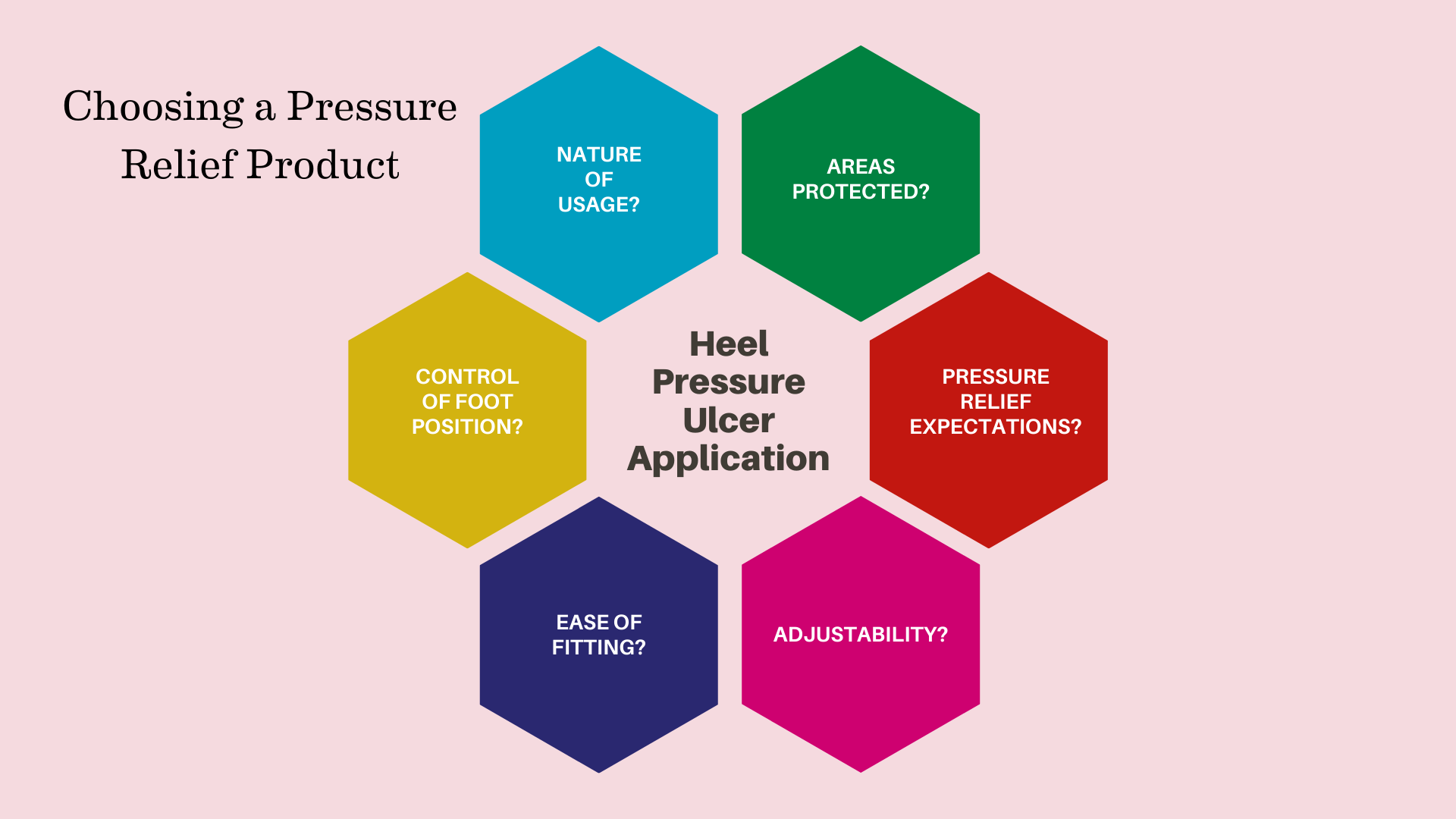
The NHS is updating its pressure ulcer pathways - here's what's changed
Recent NHS pathway updates include important changes to pressure ulcer prevention guidance, particularly around heel protection and offloading. This article explains the key updates, how they align with current evidence, and the practical implications for services reviewing prevention strategies. It also clarifies the difference between products that reduce pressure and those that fully offload the heel.

A Single Exercise Session Rewires Your Immune System - Relevance for SCI
A single bout of exercise may be enough to create measurable changes in immune activity. This article looks at recent findings on how physical activity can influence immune cells, potentially improving how the body regulates inflammation and defends itself. It breaks down the key takeaways and what they might mean for health, resilience, recovery and everyday wellbeing.

Choosing Your First FES Cycling System: A Practical Guide
Choosing your first FES cycling system can feel overwhelming, especially with different features, set-ups, and clinical needs to consider. This practical guide breaks down the key things to look for, from ease of use and programming options to comfort, support, and long-term goals. Whether you’re exploring FES for rehabilitation, conditioning, or home use, this article helps you make a more informed decision and find a system that suits your needs and lifestyle.

Can I Use FES at Home Without Professional Supervision?
Using FES at home can be a great way to support rehabilitation and ongoing muscle conditioning, but it’s important to understand what can be done safely without supervision. This article explores whether home-based FES use is appropriate, what risks to be aware of, and why correct set-up, electrode placement, and programme guidance matter. It also highlights when professional input is recommended, helping users make informed decisions and get the best results from FES while staying safe.

The Origins of Transcutaneous Spinal Cord Stimulation (tSCS)
Transcutaneous spinal cord stimulation (TSCS) is an emerging technique gaining interest in neurorehabilitation, but its origins go back further than many people realise. This article explores how TSCS developed, the early ideas and research that helped shape it, and why it has become an important area of focus today. A helpful overview for anyone looking to understand where TSCS came from and how it has evolved into the approach being explored in modern clinical practice.

Transcutaneous Spinal Cord Stimulation (tSCS) - An Introduction for Non-Clinicians
This article provides an overview of transcutaneous spinal cord stimulation (tSCS), a non-invasive spinal stimulation therapy used in neurorehabilitation to support spasticity reduction, neuropathic pain management, and rehabilitation alongside therapy. It explains how tSCS works, reviews current research evidence, outlines safety considerations, and explores the growing availability of commercial tSCS devices for clinical and home-based use.