Articles
Filter by Topic
- Adaptive Sport 2
- Artificial Intelligence 1
- Bariatric 1
- Bike Labyrinth 3
- Bone density 1
- Brachial Plexus 2
- Bridging the Gap 1
- Bridging the Gap 1
- Carbonhand 4
- Cardiovascular 1
- Cauda Equina Syndrome 1
- Client Stories 4
- Cognition 1
- Company Updates 3
- Decision Making 2
- Dementia 1
- Denervation 30
- Diabetic Foot 12
- Dressings 1
- Efficiency 1
- Electrotherapy 33
- Exercise Benefits 34
- FES Cycling 24
- Fatigue 1
- Functional Electrical Stimulation (FES) 66
- Gait 2
- Goal Setting 5
- Grip 3
- Guidelines 2
- HRV 1
- Healthspan 2
- History 1
- Indego 13
- Lifestyle 10
- Lower Motor Neuron 2
- Mobility 17
- Motivation 2
- Multiple Sclerosis 1
- NMES 4
- Nerve injury 5
- NexStride 1
- Occupational Therapy 1
- Orthotic 15
- PRAFO 33
- Pain 7
- Parkinsons 2
- Pressure Ulcers 21
- Product Updates 7
- RISE Stimulator 14
- Safety 2
Article Length
- 1 minute read 3
- 10 minute read 26
- 11 minute read 4
- 12 minute read 11
- 14 minute read 1
- 15 minute read 14
- 18 minute read 1
- 2 minute read 4
- 24 minute read 1
- 25 minute read 2
- 26 minute read 1
- 28 minute read 1
- 3 minutes read 9
- 4 minute read 33
- 5 Minute read 18
- 6 minute read 6
- 7 minute read 20
- 8 minute read 14
- 9 minute read 4
- FES 2
- FoG 1
- Long Read 1
- PRAFO 1
- Seven Minute Read 1
- awareness 1
- carbonhand 2
- cognitive 1
- cues 1
- freezing gait 1
- freezing of gait 1
- gait 1
- neurological 1
- neuroplasticity 1
- nexstride 2
- occupational therapy 1
- occupational therapy day 1
- orthopaedics 1
- orthotic 1
- parkinson's 1
- pressure 1
- pressure relief 1
- prevention 1
- rehabilitation 2
- stroke 1
- ulcers 1
- world stroke day 1
Two Levels at Once: Stimulating the Neck and Lower Back Together
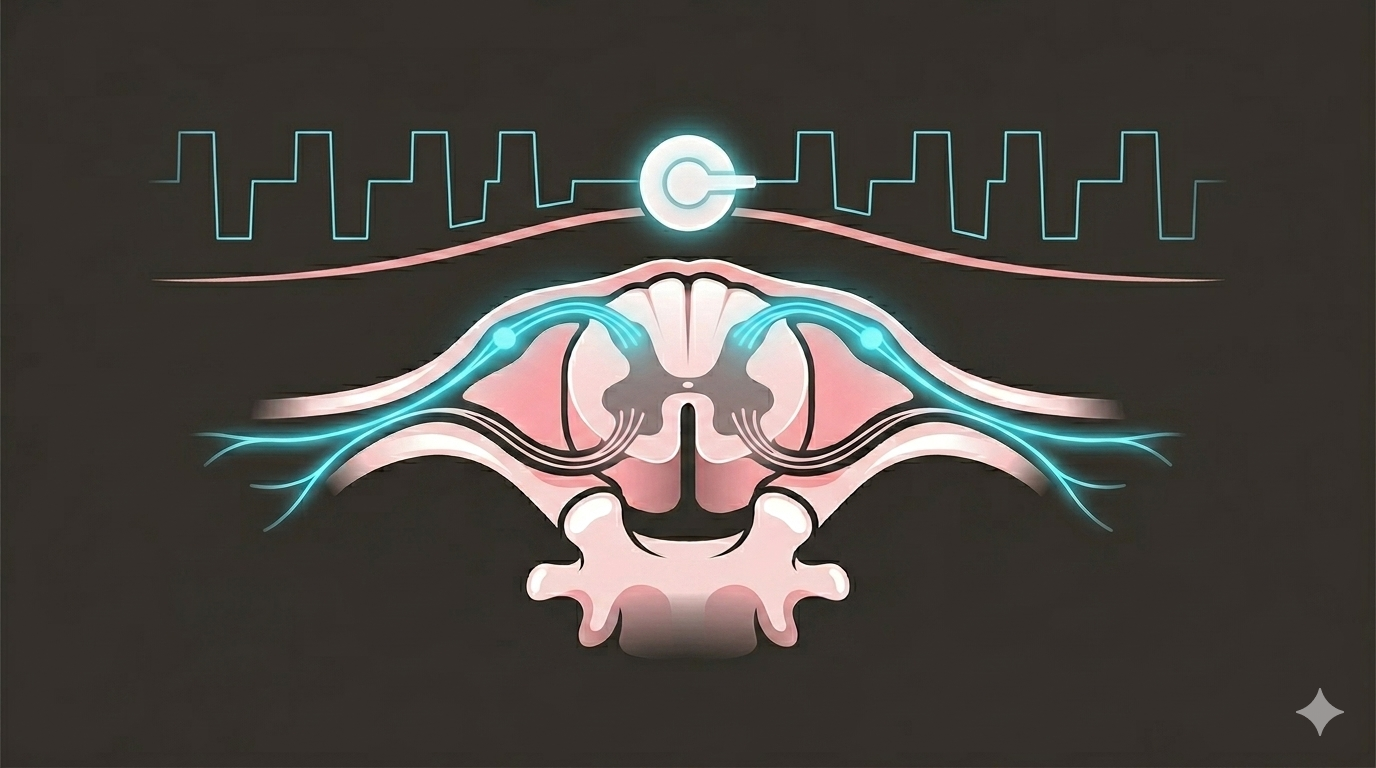
Stim2Go from Pajunk is proving a very popular system for electrical stimulation due to its flexibility. In addition to supporting FES Cycling, it boasts many novel applications and the ability to create custom applications. Amongst its programs, there have been a number of transcutaneous spinal cord stimulation (tSCS) applications. Up until now, these were typically utilised to target severe spasms or pain.
We're getting to grips with some new cervical tSCS programs and two combined cervical-lumbar tSCS programs. These place one electrode on the neck and another on the lower back, and run both in the same 20-minute session. It is in beta testing, available under European and UK medical device rules only, and not cleared in the United States. I want to walk through the idea behind this configuration and what the human evidence shows.
When Spasticity Gets in the Way of Standing
For some people, the obstacle to standing up is not weakness. It is the opposite problem: legs that are too stiff, too tense, or too unpredictable to cooperate. You go to move and the leg pushes out straight when you wanted it to bend, or a spasm arrives at the worst possible moment, or simply getting your feet into a sensible position feels like a negotiation. This is spasticity, and for a great many people, after an incomplete spinal cord injury or stroke, it is the single thing standing between them and a useful sit-to-stand.
We have written before about spasticity after spinal cord injury and the limits of medication. This article looks at a more specific question: when spasticity is the thing blocking a functional goal like standing, what can electrical stimulation do about it, and how do the pieces fit together?
Transcutaneous Vagus Nerve Stimulation and Transcutaneous Spinal Cord Stimulation - Parallels for Rehabilitation Practice
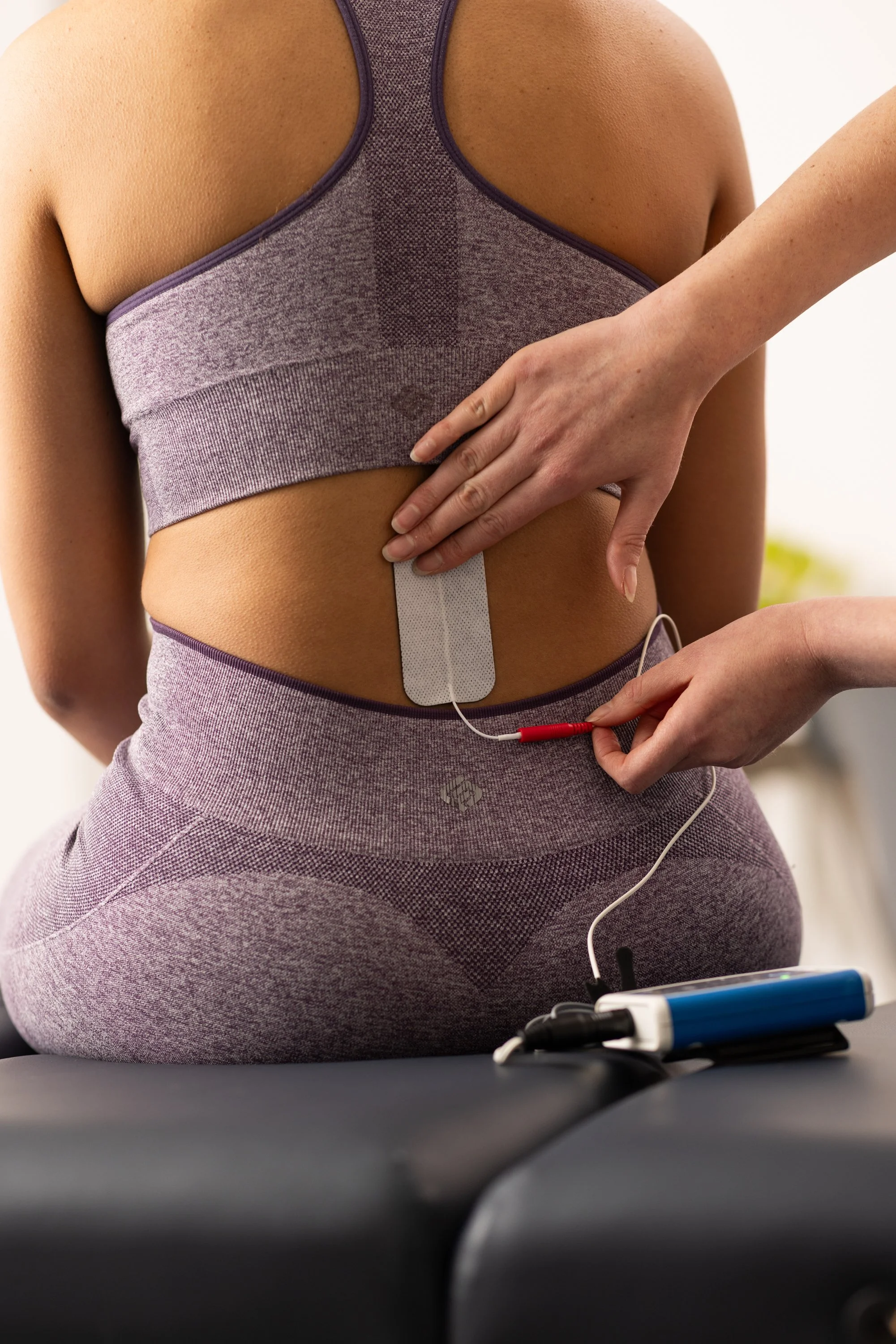
Two non-invasive neuromodulation technologies — transcutaneous vagus nerve stimulation (tVNS) and transcutaneous spinal cord stimulation (tSCS) — are reshaping how we think about neurological rehabilitation.
Although they target different levels of the nervous system, these modalities share a surprising number of fundamental principles. Understanding these parallels gives clinicians, patients, and carers a clearer picture of how modern neuromodulation works, what to expect from treatment, and why these technologies represent a genuine shift from compensatory to restorative rehabilitation.
This article identifies ten fundamental parallels between tVNS and tSCS, drawing on the published scientific evidence to explore what they have in common, where they differ, and what this means for clinical practice.

Transcutaneous Spinal Cord Stimulation for Priming-based Rehabilitation
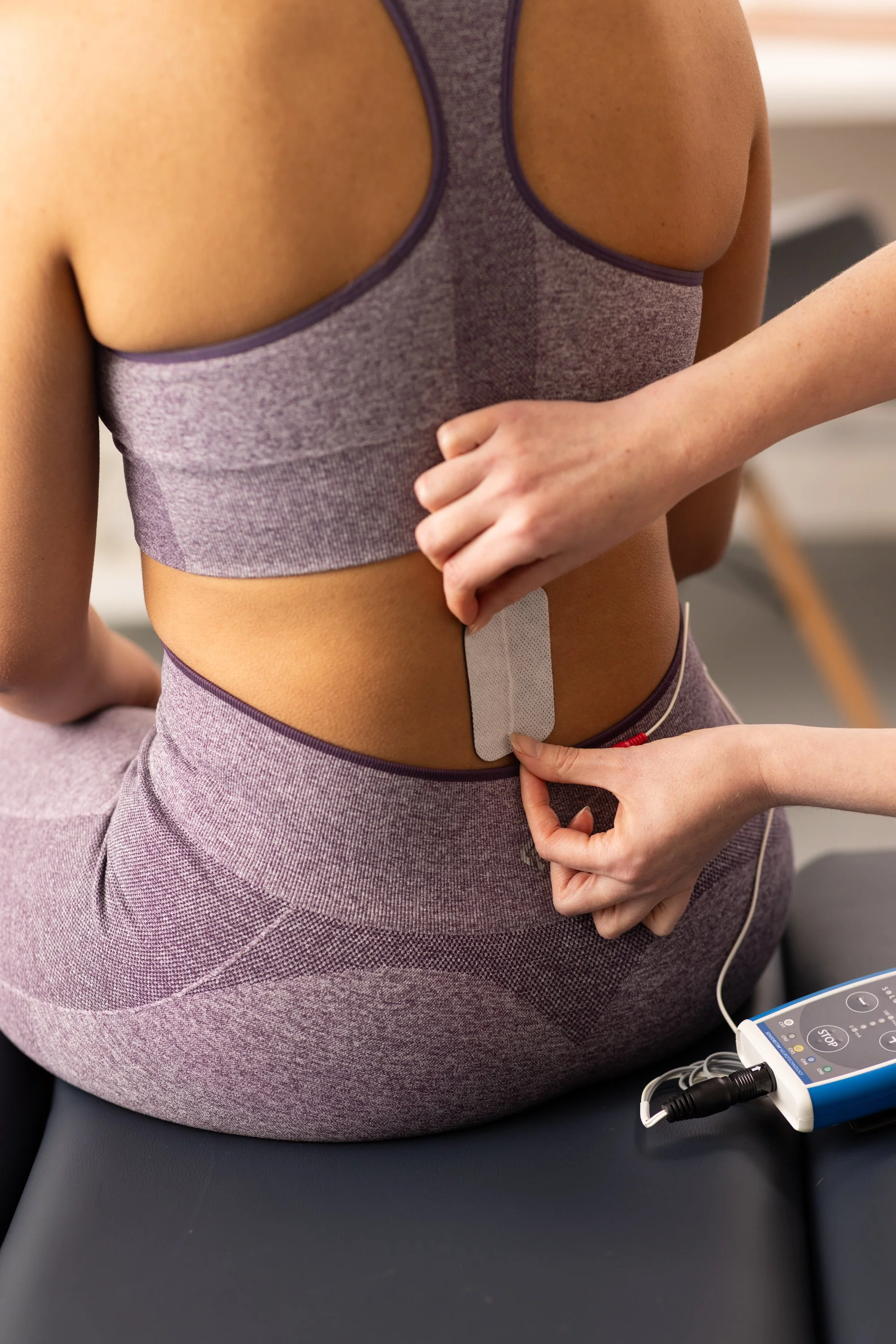
Transcutaneous spinal cord stimulation (tSCS) represents a promising noninvasive neuromodulation technique for rehabilitation in spinal cord injury (SCI) and other neurological conditions.
From this article you will gain a clear understanding of how tSCS is used as a priming tool within rehabilitation, the research principles that guide its clinical application, how it is integrated alongside task-specific therapy, and what types of functional improvements and neuroplastic changes clinicians aim to achieve when it is delivered consistently over time.
Transcutaneous Spinal Cord Stimulation for Rehabilitation: Treatment Duration and Carryover Effects
Goal setting in rehabilitation can be particularly difficult. Clients understandably want to know: “How soon can I see the benefits of a particular intervention?” The benefit can be perceived in two ways: the extent of relief provided and the duration of the relief.
As a product and service provider, it's important to us that we manage expectations. That we don't over-promise and under-deliver, and for that reason, we work with medical devices that have at least some research guidance on expected results. Even in the best cases, there will there be individual variations in how someone responds to an intervention.
Transcutaneous spinal cord stimulation (tSCS) represents a promising noninvasive neuromodulation technique for rehabilitation in spinal cord injury (SCI) and other neurological conditions such as multiple sclerosis (MS).
This article examines three distinct therapeutic applications—spasticity, pain, and functional recovery—each with different treatment requirements and expected outcomes. In basic terms, we review how long treatment should last before beneficial effects emerge and, once they do, how long they will last.
Spasticity After Spinal Cord Injury: When Medication Isn't the Answer
Spasticity is common after spinal cord injury, and while medication can help, it isn’t always the best or only option. This article explores alternative ways to manage spasticity when medication isn’t effective or suitable. It looks at why symptoms can vary, what triggers may make spasticity worse, and the importance of an individualised approach. From rehabilitation strategies to practical day-to-day management, it provides a helpful overview for improving comfort, function, and quality of life.