
Articles
Filter by Topic
- Adaptive Sport 2
- Artificial Intelligence 1
- Bariatric 1
- Bike Labyrinth 3
- Bone density 1
- Brachial Plexus 2
- Bridging the Gap 1
- Bridging the Gap 1
- Carbonhand 4
- Cardiovascular 1
- Cauda Equina Syndrome 1
- Client Stories 4
- Cognition 1
- Company Updates 3
- Decision Making 2
- Dementia 1
- Denervation 30
- Diabetic Foot 12
- Efficiency 1
- Electrotherapy 33
- Exercise Benefits 34
- FES Cycling 23
- Fatigue 1
- Functional Electrical Stimulation (FES) 65
- Gait 2
- Goal Setting 5
- Grip 3
- Guidelines 2
- HRV 1
- Healthspan 2
- History 1
- Indego 13
- Lifestyle 10
- Lower Motor Neuron 2
- Mobility 17
- Motivation 2
- NMES 4
- Nerve injury 5
- NexStride 1
- Occupational Therapy 1
- Orthotic 15
- PRAFO 32
- Pain 7
- Parkinsons 2
- Pressure Ulcers 20
- Product Updates 7
- RISE Stimulator 14
- Safety 2
- Spasticity 4
- Sponsor 1
Article Length
- 1 minute read 3
- 10 minute read 25
- 11 minute read 4
- 12 minute read 11
- 14 minute read 1
- 15 minute read 14
- 18 minute read 1
- 2 minute read 4
- 24 minute read 1
- 25 minute read 2
- 26 minute read 1
- 28 minute read 1
- 3 minutes read 9
- 4 minute read 33
- 5 Minute read 17
- 6 minute read 6
- 7 minute read 20
- 8 minute read 12
- 9 minute read 4
- FES 2
- FoG 1
- Long Read 1
- PRAFO 1
- Seven Minute Read 1
- awareness 1
- carbonhand 2
- cognitive 1
- cues 1
- freezing gait 1
- freezing of gait 1
- gait 1
- neurological 1
- neuroplasticity 1
- nexstride 2
- occupational therapy 1
- occupational therapy day 1
- orthopaedics 1
- orthotic 1
- parkinson's 1
- pressure 1
- pressure relief 1
- prevention 1
- rehabilitation 2
- stroke 1
- ulcers 1
- world stroke day 1
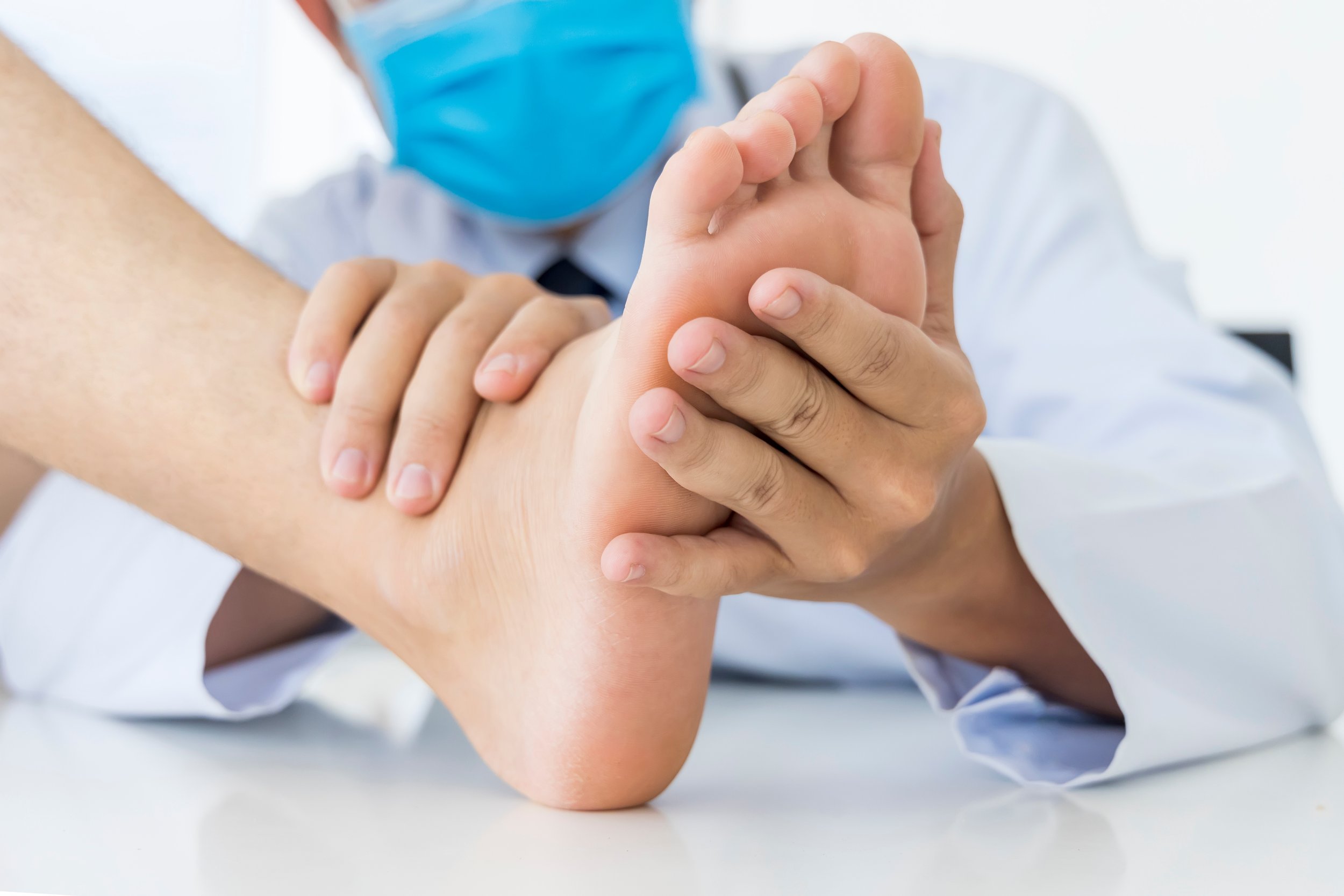
Protecting Heels After Stroke: Balancing Recovery and Prevention
Stroke rehabilitation is a race against time. The first weeks and months after a stroke represent a critical window for neurological recovery, when intensive therapy can make the greatest difference to long-term outcomes. Anything that delays or limits that rehabilitation—including preventable complications like heel pressure ulcers—costs the patient precious time.
Yet the very factors that make stroke rehabilitation urgent also make heel protection challenging. The hemiplegic leg lies immobile. Sensation may be impaired. Muscle tone may push the heel into sustained contact with the mattress. The patient cannot feel the damage as it occurs.
This article examines why stroke survivors face particular heel vulnerability and how to balance protection with the mobilisation that recovery requires.

ICU Heel Protection: Starting Prevention Early
Intensive care patients face the highest pressure ulcer prevalence of any hospital setting—14.32% according to international prevalence surveys. The heels account for a substantial proportion of these injuries. And unlike many ICU complications, heel pressure ulcers are largely preventable with appropriate intervention.
Yet in the complex, high-acuity environment of intensive care, heel protection can be overlooked. The focus—rightly—is on keeping the patient alive. Organ support, haemodynamic stability, ventilation, sedation. Heel protection rarely tops the priority list. But if a heel pressure ulcer occurs then this complicates continuity of care.
This article makes the case for implementing prophylactic heel offloading as a standard component of ICU care, and examines what effective implementation looks like in practice.
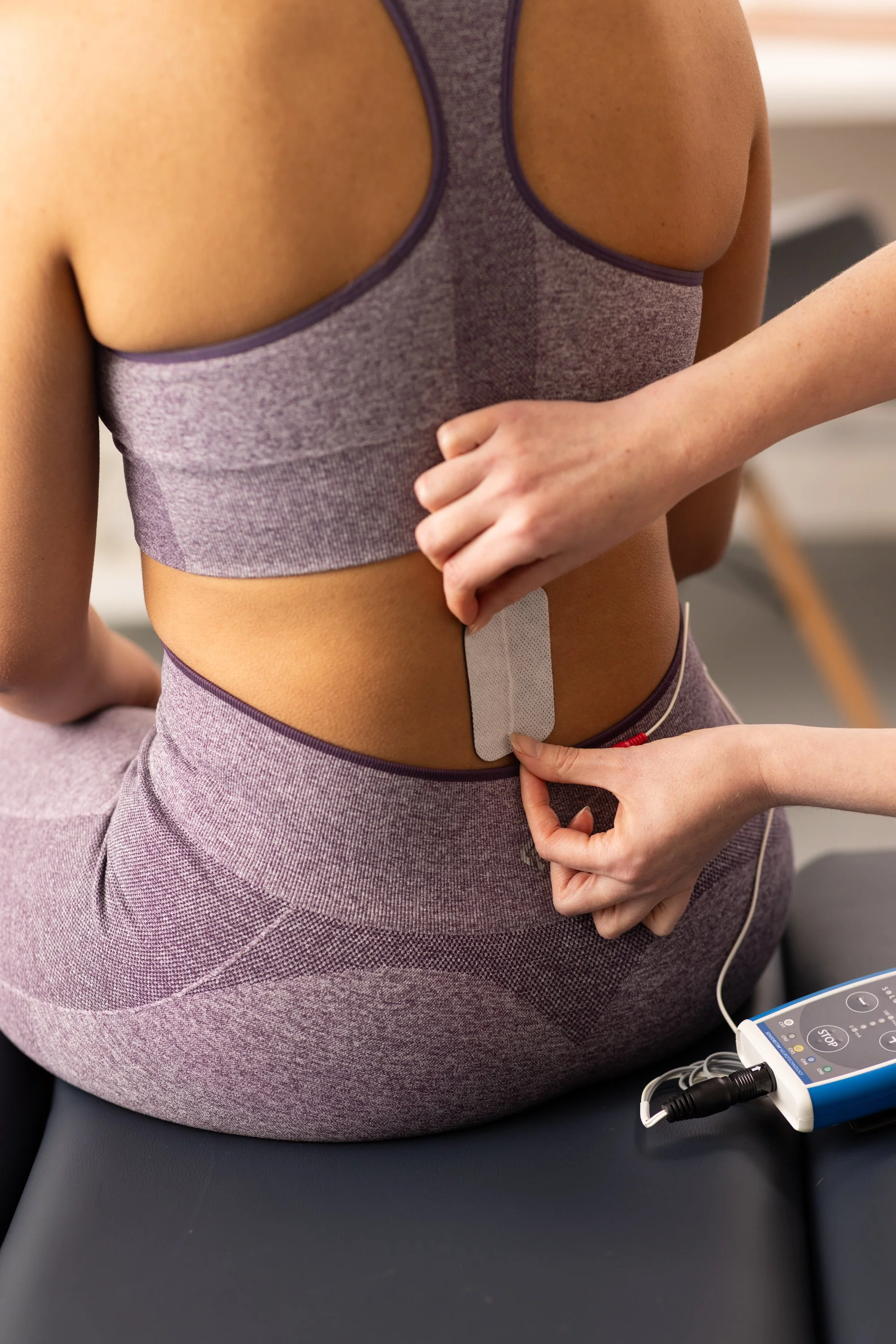
Transcutaneous Spinal Cord Stimulation for Rehabilitation: Treatment Duration and Carryover Effects
Goal setting in rehabilitation can be particularly difficult. Clients understandably want to know: “How soon can I see the benefits of a particular intervention?” The benefit can be perceived in two ways: the extent of relief provided and the duration of the relief.
As a product and service provider, it's important to us that we manage expectations. That we don't over-promise and under-deliver, and for that reason, we work with medical devices that have at least some research guidance on expected results. Even in the best cases, there will there be individual variations in how someone responds to an intervention.
Transcutaneous spinal cord stimulation (tSCS) represents a promising noninvasive neuromodulation technique for rehabilitation in spinal cord injury (SCI) and other neurological conditions such as multiple sclerosis (MS).
This article examines three distinct therapeutic applications—spasticity, pain, and functional recovery—each with different treatment requirements and expected outcomes. In basic terms, we review how long treatment should last before beneficial effects emerge and, once they do, how long they will last.

Volume vs Intensity in Neurological Rehabilitation: Why Consistency Often Matters More
I recently came across an interesting newsletter item from "Building the Elite" about the relative importance of training volume versus intensity.
The argument—made by someone preparing candidates for special forces selection—was that volume is the primary training variable to manage. This is because it has the greatest impact on the training programme's effectiveness, while intensity determines the type of adaptation you're targeting.
This struck me as highly relevant to neurological rehabilitation. Let's see if you agree.

Pressure Reduction vs Complete Offloading: Why the Distinction Matters for Tissue Viability
The terms get used interchangeably in clinical practice. Pressure reduction. Offloading. Heel protection. Redistribution. But they are not the same thing. And the distinction matters to clinical outcomes —particularly at the heel, where anatomy conspires against us.
The 2025 International Pressure Injury Guideline makes this explicit. For heels, the recommendation is unambiguous: heels should be "fully free from contact with the support surface." Not reduced pressure. Not redistributed pressure. Zero contact.
This article explains the biomechanical difference between pressure reduction and complete offloading, why it matters specifically at the heel, and what the evidence shows. Let's be clear about definitions first.
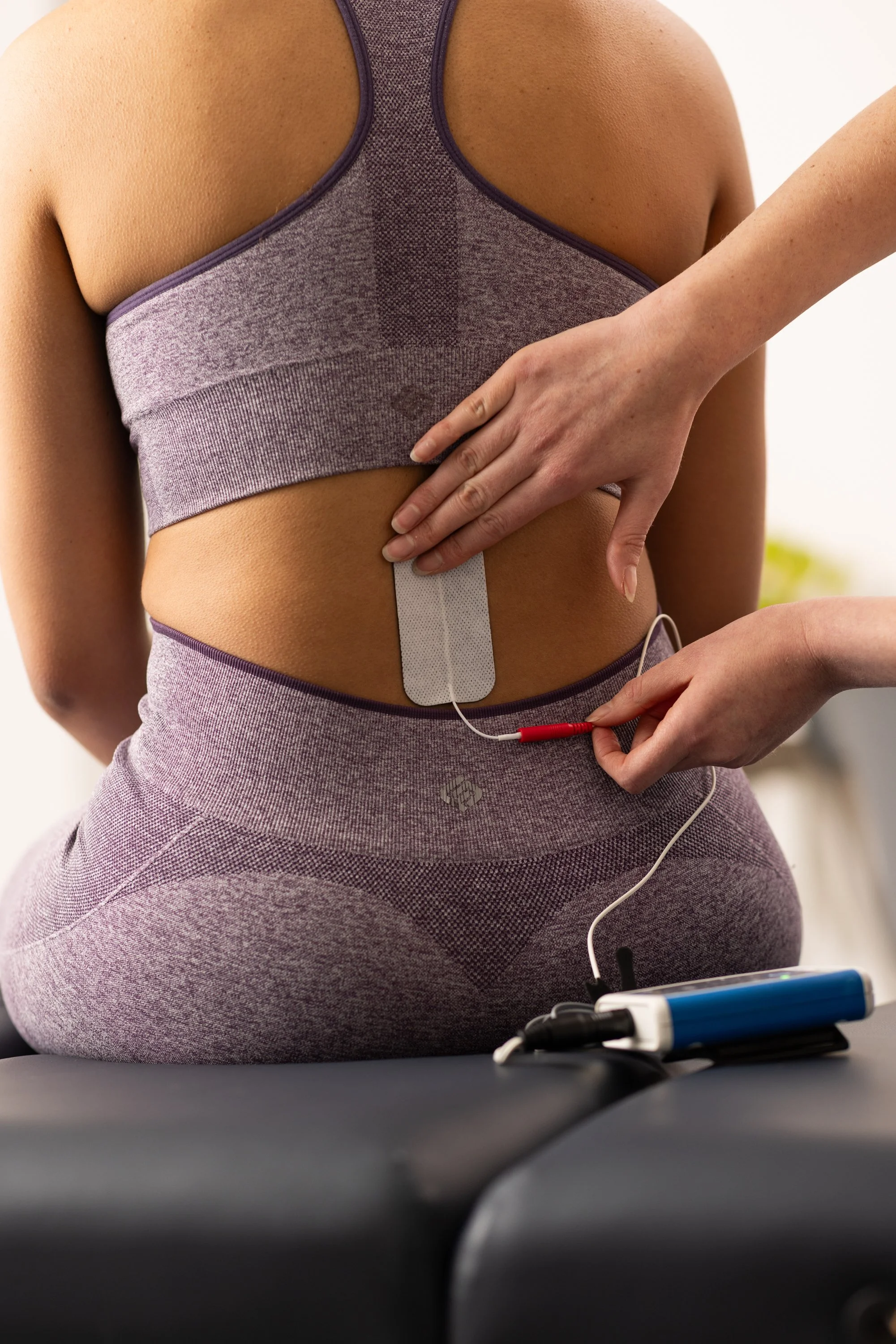
Spasticity After Spinal Cord Injury: When Medication Isn't the Answer
Spasticity is common after spinal cord injury, and while medication can help, it isn’t always the best or only option. This article explores alternative ways to manage spasticity when medication isn’t effective or suitable. It looks at why symptoms can vary, what triggers may make spasticity worse, and the importance of an individualised approach. From rehabilitation strategies to practical day-to-day management, it provides a helpful overview for improving comfort, function, and quality of life.